
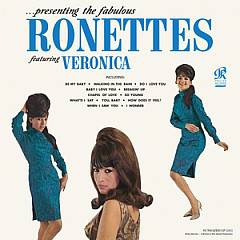
Ronnie Spector nailed the vocal for The Ronettes song "(Walking) In the Rain" on the first take - unheard of in the perfectionist producer Phil Spector's world.
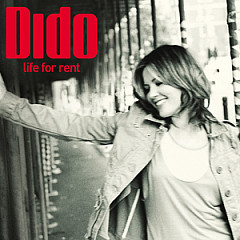
Dido helped shut down a Neo-Nazi Web site after learning it was using "White Flag" to promote its hateful messages. Owners of the site had misinterpreted the track as racist and thought they represented their white supremacy views.
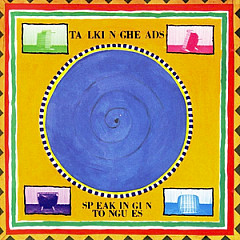
"Burning Down The House" by Talking Heads was inspired by chant band members heard at a P-Funk show where the crowd yelled, "burn down the house... burn down the house."
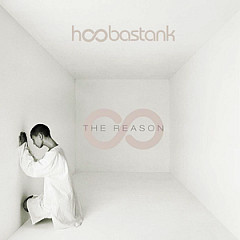
"The Reason" by Hoobastank took off on TikTok in 2021 when it soundtracked confessional #NotAPerfectPerson videos about mistakes and regrets. The band made one of their own with the caption: "Realizing 20 years later that you named your band Hoobastank."
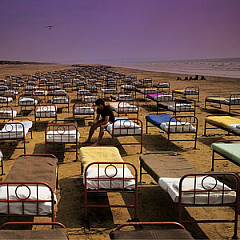
David Gilmour really was "Learning To Fly" when he co-wrote the Pink Floyd song - the aviation jargon came from his lessons.
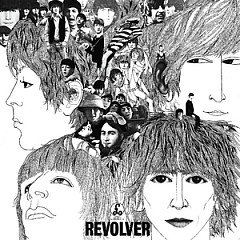
Paul McCartney based the "Eleanor Rigby" story on old ladies he met at his housing estate. He saw how sometimes when they died, nobody really noticed.
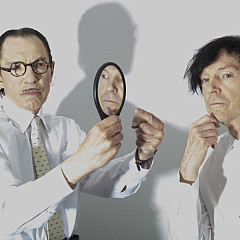
The men of Sparks on their album Hippopotamus, and how Morrissey handled it when they suggested he lighten up.
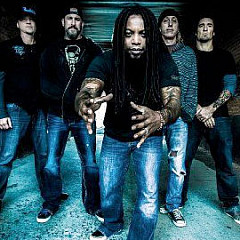
The Sevendust frontman talks about the group's songwriting process, and how trips to the Murder Bar helped forge their latest album.
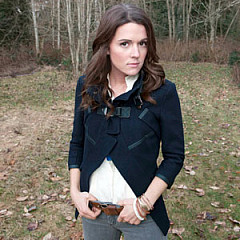
As a 5-year-old, Brandi was writing lyrics to instrumental versions lullabies. She still puts her heart into her songs, including the one Elton John sings on.

Are classic songs like "Over The Rainbow" and "Take Me Out to the Ballgame" in the public domain?
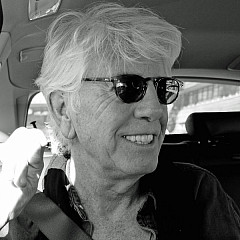
Graham Nash tells the stories behind some of his famous songs and photos, and is asked about "yacht rock" for the first time.
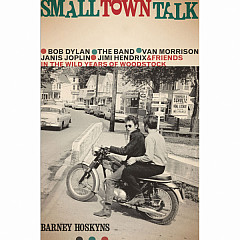
Our chat with Barney Hoskyns, who covers the wild years of Woodstock - the town, not the festival - in his book Small Town Talk.