Though "Soul Limbo" was recorded in Memphis, the instrumental has deep Caribbean roots. The track drew inspiration from the traditional limbo dance, which originated in Trinidad before sweeping through the United States in the late 1950s. When Booker T. & the M.G.'s recorded the song in 1968, they intentionally looked toward Jamaican and calypso rhythms, blending a bright, tropical lilt into their signature
Stax soul sound.
Guitarist Steve Cropper had already been exposed to Jamaican ska and bluebeat through Stax engineer Tom Dowd. "I learned about ska and blue beat in the early '60s from Tom Dowd,"
Cropper told The Jamaican Observer. "So that was still fresh in my mind when we began recording Soul Limbo."
Underneath all the Caribbean seasoning, the song is built on a simple three-chord I-IV-V progression, essentially C-F-G. It's the same basic harmonic recipe that powered a string of early rock and roll and pop hits, including "
La Bamba," "
Twist And Shout," "
Louie Louie," and "
Wild Thing." The difference, of course, is that the M.G.'s added enough organ, percussion and rhythmic sunshine to make those three familiar chords sound as though they had just returned from a holiday.
"Soul Limbo" was written by all four M.G.'s:
Booker T. Jones, Steve Cropper, Donald "Duck" Dunn, and Al Jackson Jr. Production was similarly a group effort, reflecting the band's collaborative, largely in-house approach at Stax.
The core lineup supplied the song's rhythmic engine, with Jones on Hammond organ, Cropper on guitar, Dunn on bass, and Jackson Jr. handling drums and percussion. But two guest musicians added the ingredients that really gave "Soul Limbo" its Caribbean flavor.
Stax engineer and production stalwart Terry Manning played the brisk, sunny marimba solo, while Isaac Hayes contributed the now-famous cowbell that helps keep the whole thing bouncing along.
Manning's marimba part was added after the main session. According to Cropper, the track initially felt as though it was missing something. "I said, 'It needs something. It's reggae-sounding but it needs something,'" he recalled to The Jamaican Observer.
The answer arrived almost by accident the following day. The band had just finished a late-night jingle session, with a full orchestra still hanging around the studio, and Manning stepped in to record the solo. "Lots of people have played that solo and think it was Booker," Cropper said. "But it's Terry Manning."
In Britain, "Soul Limbo" acquired a second life that had little to do with American soul music and a great deal to do with cricket. The BBC adopted the tune as the theme for its television cricket coverage and Test Match Special from the late 1960s, turning a Memphis instrumental into one of the most instantly recognizable sounds in British sport.
BBC cricket head Adam Mountford told Mojo magazine that the song's opening notes have a remarkable effect: "Every time you see one of those polls about the best sporting theme it always seems to be #1... you hear the first three seconds, and you're transported."
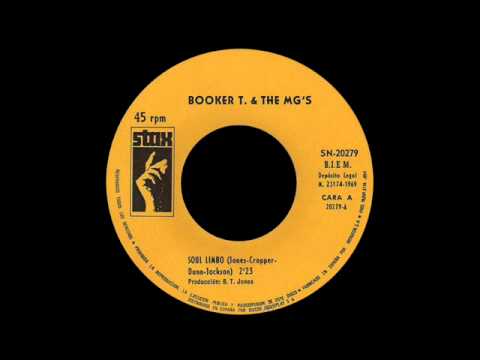
The cricket pairing was reportedly the brainchild of BBC Sport producer Tony Scudder. Online sources suggest that the song may have made its television debut on Sunday, September 22, 1968, during coverage of a Trent Bridge Taverners versus International Cavaliers XI match. Its new British exposure helped the single's chart performance, giving it a nine-week run beginning December 17, 1968, and taking it to #30 on January 21, 1969.
The song's association with Test Match Special became so deeply ingrained that producers even developed an in-house rule concerning cricket sound clips used to open the program: the clip must run for exactly 23 seconds, timed to land on the tune's first crescendo.
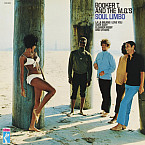
The parent LP was originally scheduled to be called Over Easy, and some early US pressings reportedly carried that title on the label. Once "Soul Limbo" unexpectedly became a pop hit, however, the album was renamed after its breakout track.
The album cover also played up the song's tropical, carefree mood, placing the band alongside a bikini-clad model beneath a boardwalk in a scene that looked rather like a lost beach movie. It certainly captured the breezy spirit of "Soul Limbo," although the artwork has inevitably acquired a somewhat more dated appearance with the passage of time.