

"1979" by Smashing Pumpkins is about Billy Corgan entering adulthood. A more accurate year would be 1983, but 1979 was easier to rhyme.
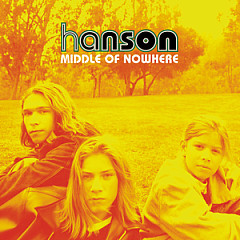
Hanson's megahit "MMMbop," released when they were teenagers, is surprisingly profound. Zac Hanson told Songfacts it "represents a frame of time or the futility of life."
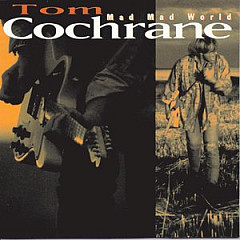
Tom Cochrane wrote "Life Is A Highway" to pull himself out of a funk following an exhausting humanitarian trip to Africa.
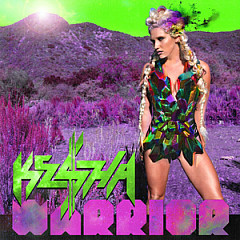
Kesha (known at the time as Ke$ha) was still pretty wild when she released her song "Crazy Kids" in 2012. It's about one of her birthday parties that got a little out of hand.
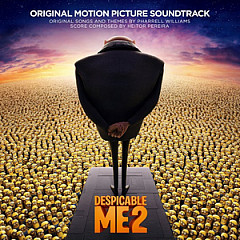
If you have a whole day to kill, you can check out the full version of Pharrell Williams' "Happy" music video, the world's first 24-hour music video.

Shinedown lead singer Brent Smith had a band before Shinedown that was dropped by Atlantic Records, but the label offered him a development deal - that was his "Second Chance."
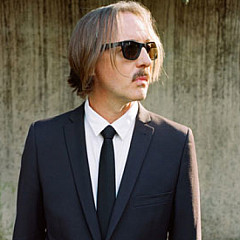
The Garbage drummer/songwriter produced the Nirvana album Nevermind, and Smashing Pumpkins' Gish and Siamese Dream.
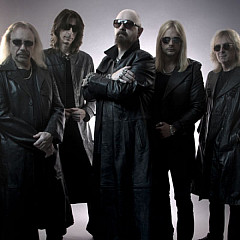
Rob Halford, Richie Faulkner and Glenn Tipton talk twin guitar harmonies and explain how they create songs in Judas Priest.
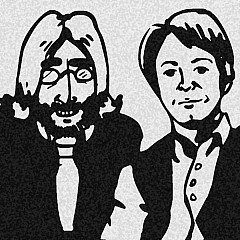
The author of Help! 100 Songwriting, Recording And Career Tips Used By The Beatles, explains how the group crafted their choruses so effectively.

The original voice of Snap! this story is filled with angry drag queens, video impersonators and Chaka Khan.

The lead singer of Everclear, Art is also their primary songwriter.
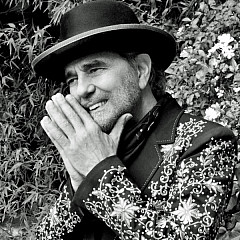
Daniel Lanois on his album Heavy Sun, and the inside stories of songs he produced for U2, Peter Gabriel, and Bob Dylan.