
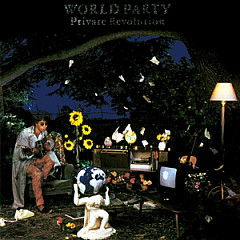
One of the great "we're all going down" songs is "Ship Of Fools" by World Party, written when Margaret Thatcher was in power in England.
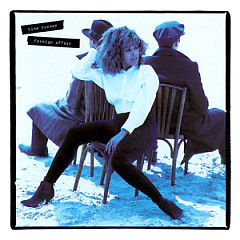
"The Best" by Tina Turner was originally recorded by Bonnie Tyler; Turner's hit version added a bridge and a saxophone solo by Edgar Winter.
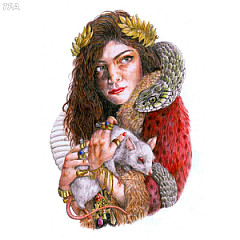
16-tear-old Lorde wrote the lyrics to "Royals" at home in just half an hour. She was inspired by the "ridiculous, unrelatable, unattainable opulence" that runs through such albums as Kanye West and Jay-Z's Watch the Throne and Lana Del Rey's Born To Die.
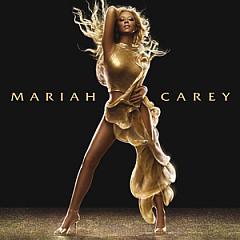
"We Belong Together" finds Mariah Carey listening to the radio and hearing songs that remind her of heartbreak. Two real songs get specific mentions: "If You Think You're Lonely Now" by Bobby Womack and "Two Occasions" by The Deele (Babyface's group).
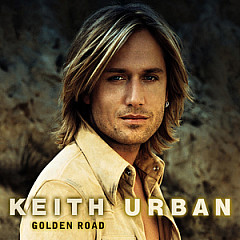
When Keith Urban played "Somebody Like You" for his girlfriend, she called him a hypocrite because he "sucked at relationships."

When Petula Clark reached #1 in the US with "Downtown" in 1965, she became the first female singer from England to hit #1 in the US during the Rock Era (after 1955).
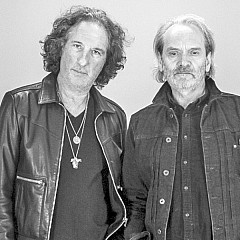
'80s music ambassadors Wang Chung pick their top tracks of the decade, explaining what makes each one so special.
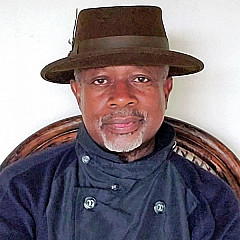
Keyboard great David Sancious talks about his work with Sting, Seal, Springsteen, Clapton and Aretha, and explains what quantum physics has to do with making music.
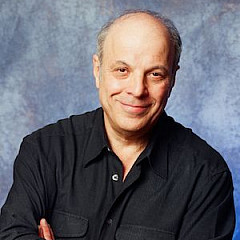
After studying in Paris with a famous composition teacher, Charles became the most successful writer of TV theme songs.
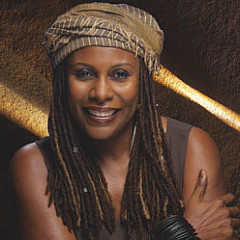
Brenda talks about the inspiration that drove her to write hit songs like "Get Here" and "Piano in the Dark," and why a lack of formal music training can be a songwriter's best asset.
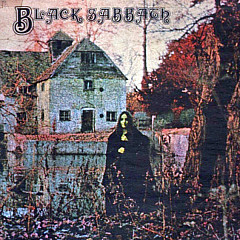
Just how much did these monsters of rock dabble in the occult?
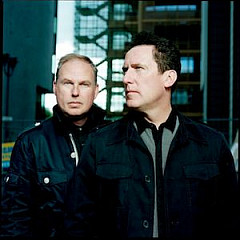
Known in America for the hit "If You Leave," OMD is a huge influence on modern electronic music.