
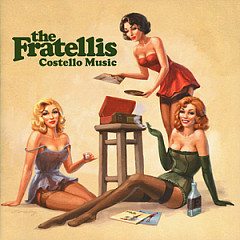
The Fratellis song "Chelsea Dagger" was named for their lead singer's wife - it was her burlesque name.
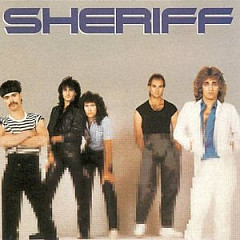
Sheriff had been disbanded for years when "When I'm With You" hit #1 in America thanks to rediscovery by radio stations. The group never re-formed and never made a video for the song.
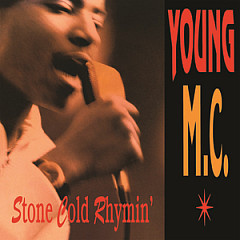
Young MC shows up in the George Clooney movie Up In The Air performing his hit "Bust A Move."
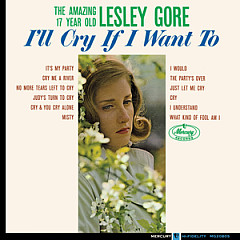
One of the first teenage stars of the Rock Era was Lesley Gore, who was just 16 when she recorded "It's My Party," a huge hit in 1963. It gave us the iconic phrase, "It's my party, I'll cry if I want to."

Pitbull's line "I got it locked up like Lindsay Lohan" in his 2011 song "Give Me Everything (Tonight)" didn't go over well with Lohan, who sued him for defamation. Around this time, she was in a downward spiral and often getting arrested. Her case was thrown out, but she did get her life back together.
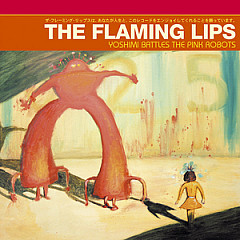
The Flaming Lips' "Do You Realize??" was named in March 2009 the official Rock Song of Oklahoma. Four years later, Oklahoma's governor Mary Fallin pulled the tune as the state's official rock song in a move her office said had more to do with priorities than musical taste.
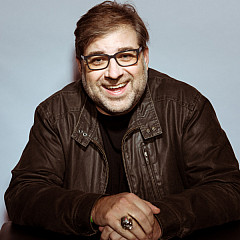
A top country songwriter, Barry talks about writing hits for Little Big Town, Tim McGraw and Jason Aldean.
Test your metal - Priest, Maiden, and Beavis and Butt-head show up in this one.
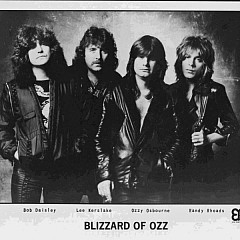
Bob was the bass player and lyricist for the first two Ozzy Osbourne albums. Here's how he wrote songs like "Crazy Train" and "Mr. Crowley" with Ozzy and Randy Rhoads.
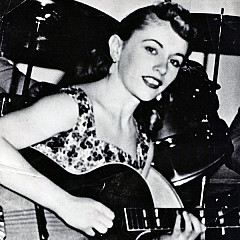
A top session musician, Carol played on hundreds of hits by The Beach Boys, The Monkees, Frank Sinatra and many others.
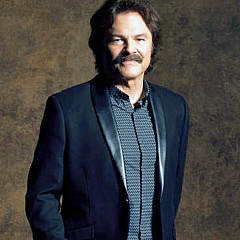
The Doobies guitarist and lead singer, Tom wrote the classics "Listen To The Music," "Long Train Runnin'" and "China Grove."
"How much does it cost? I'll buy it?" Another songwriter told Jonathan to change these lyrics. Good thing he ignored this advice.