


Tired of X-Factor winners getting the UK Christmas #1, British Facebook users staged a successful campaign to download "Killing In The Name" by Rage Against The Machine enough times to boost the song to the top in 2009, blocking the X-Factor single by Joe McElderry.
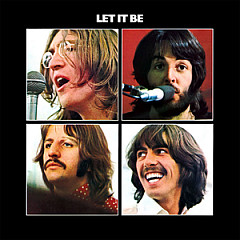
"The Long and Winding Road" was the last of The Beatles' 20 #1 hits in America. Written by Paul McCartney, he said it's a sad song about "the door you never quite reach."
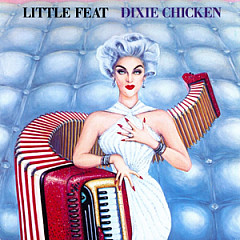
The Dixie Chicks got their name from the Little Feat song "Dixie Chicken." In 2020 they became "The Chicks" because Dixie refers to the American South in times of slavery.
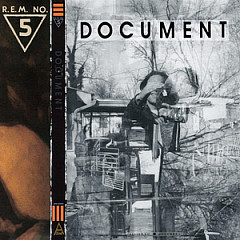
"It's the End of the World As We Know It (And I Feel Fine)" was inspired by a dream where Michael Stipe conjured up images of people with the initials L.B.: Lester Bangs, Leonid Breshnev, Lenny Bruce and Leonard Bernstein.
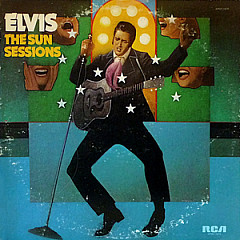
Elvis Presley' first #1 on any chart was "I Forgot To Remember To Forget." It arrived at the top of the Country tally on February 25, 1956 and stayed there for two weeks.

"The Way" by Fastball was inspired by the story of an elderly couple from Texas who drove to a nearby family reunion and kept going. Fastball's bass player imagined them taking off and having fun like they were young. The story didn't end well: the couple was later found dead after they crashed in a canyon.
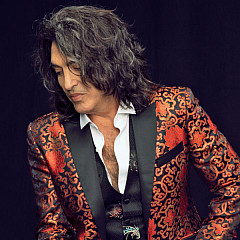
Paul Stanley on his soul music project, the Kiss songs with the biggest soul influence, and the non-make-up era of the band.

From the cowbell on "Mississippi Queen" to recording with The Who when they got the wrong Felix, stories from one of rock's master craftsmen.
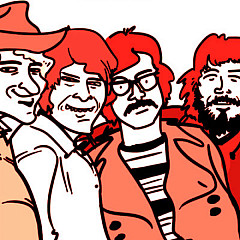
Is "Have You Ever Seen the Rain" about Vietnam? Was John Fogerty really born on a Bayou? It's the CCR edition of Fact or Fiction.
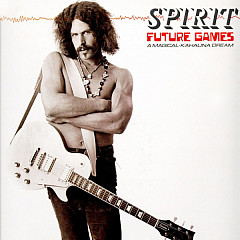
Untangling the events that led to the "Stairway To Heaven" lawsuit.
Was "Pearl" Eddie Vedder's grandmother, and did she really make a hallucinogenic jam? Did Journey have a contest to name the group? And what does KISS stand for anyway?