
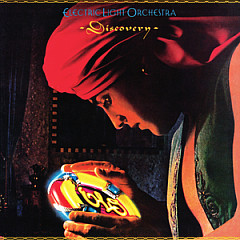
Jeff Lynne sang the word "groose" in the chorus of "Don't Bring Me Down" as a nonsense placeholder, but left it in when he found out it means "greetings" in German ("gruss").
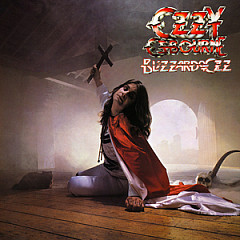
"Crazy Train" by Ozzy Osbourne is about the Cold War concept of Mutually Assured Destruction (M.A.D.) should any nuclear missile be fired.

Al Green's "Take Me to the River" describes a baptism. Two years later, he became a reverend.
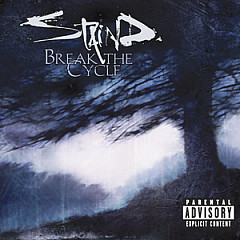
Staind's big moment came in 1999 when lead singer Aaron Lewis played "Outside" on Limp Bizkit's Family Values tour. The live, acoustic version earned lots of radio play.
Radiohead's "Harry Patch (In Memory Of)" is about the last surviving World War I veteran to fight in the trenches.
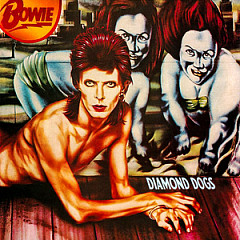
When David Bowie sings, "We like dancing and we look divine" in "Rebel Rebel," it's a reference to a famous drag queen known as Divine.
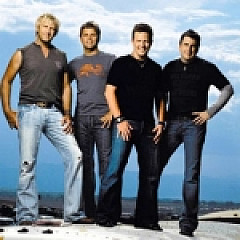
Richie talks about the impact of "Amazed," and how his 4-year-old son inspired another Lonestar hit.
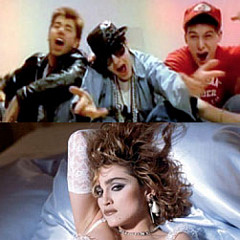
Here's what happens when an opening act is really out of place with the headliner, like when Beastie Boys opened for Madonna.

Ian talks about his 3 or 4 blatant attempts to write a pop song, and also the ones he most connected with, including "Locomotive Breath."
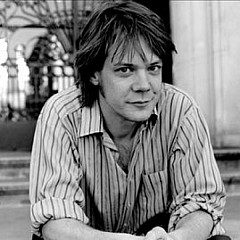
Dave explains how the video appropriated the meaning of "Runaway Train," and what he thought of getting parodied by Weird Al.
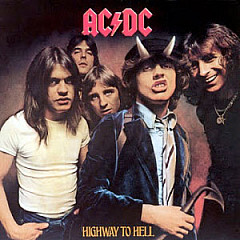
We ring the Hell's Bells to see what songs and rockers are sincere in their Satanism, and how much of it is an act.
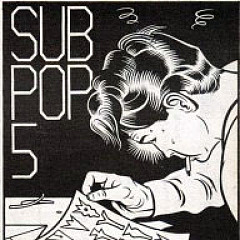
With $50 and a glue stick, Bruce Pavitt created Sub Pop, a fanzine-turned-label that gave the world Nirvana and grunge. He explains how motivated individuals can shift culture.