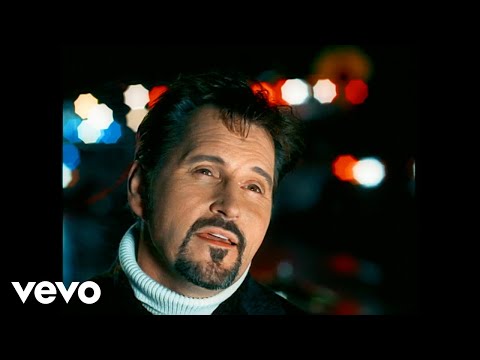
I Believe

Album: Completely (2003)
Charted: 31
Play Video

Songfacts®:

  • This was the very first song that Skip Ewing wrote on the new acoustic piano he'd always wanted, in his new home. "I stayed up most of the night playing just every note on that piano that I could, and pushing the sustain pedal, and then letting it go, and then pushing it again. And it just sounded to me like the notes and the music, everything I invited to sing on that piano, they continued," he explains. "And I realized that when we invite a note to sing, it sings for a long time. Even after you take your hand off the key, it's still singing. And that made an impression upon me about the way people are, especially souls that have touched us in our lives."

    "And so I really sat with that a good bit, and I began to write a classical piece. I wanted it to feel as though it was inviting something down to Earth. The actual theme of the music, the right-hand theme of the piano. And the next day Donny Kees came over and I shared with him all this stuff through my somewhat sleepy eyelids. And he just immediately launched into talking to me about things that were going on with his mother and with his family. And typically I talk through things a long time before I write them. I really know where I'm going and we try to develop a good understanding of what we want to say and to whom we're saying it, and about whom we're speaking. And that was just a wonderful experience and conversation between Donny and myself, talking about the way people touch us in our lives. Not necessarily life and death. In the lyric it says, 'When we die, our life goes on, it doesn't end here when we're gone.' That's one of the ways that we continue. But I think that energies are put into play a number of ways. Someone can have been a part of your life for a short time, you may never meet that person again, that doesn't mean that they're gone from the world, but it also means that maybe part of what they offered you still has a great deal of presence in your life, and makes a difference. And that's what we wrote that song about."
  • About the night he wrote this song, Skip remembers his daughter had had a Halloween party. "She wanted to invite the whole kindergarten class. Well, the thing was, I had plenty of room to put a piano in my house - only because I didn't have any furniture. So the only way I could get everyone to sit down is to put straw bales in my house. So I went out and got a bunch of straw bales and put them in the house for everyone to sit on so that they could be inside after the Halloween candy gathering thing. So it was a piano and all these straw bales for a while," he says with a laugh. (Ewing has written 11 #1 Country hits, and mentors young songwriters on his Horse & Writer retreat. Check out our Skip Ewing interview.)

Comments

Be the first to comment...

Editor's Picks

Adam Young of Owl City

Adam Young of Owl CitySongwriter Interviews

Is Owl City on a quest for another hit like "Fireflies?" Adam answers that question and explains the influences behind many others.

Corey Hart

Corey HartSongwriter Interviews

The Canadian superstar talks about his sudden rise to fame, and tells the stories behind his hits "Sunglasses At Night," "Boy In The Box" and "Never Surrender."

Richie McDonald of Lonestar

Richie McDonald of LonestarSongwriter Interviews

Richie talks about the impact of "Amazed," and how his 4-year-old son inspired another Lonestar hit.

Thomas Dolby

Thomas DolbySongwriter Interviews

He wrote "She Blinded Me With Science" so he could direct a video about a home for deranged scientists.

Robert DeLeo of Stone Temple Pilots

Robert DeLeo of Stone Temple PilotsSongwriter Interviews

Stone Temple Pilots bass player Robert DeLeo names the songs that have most connected with fans and tells the stories behind tracks from their Tiny Music album.

Ian Anderson: "The delight in making music is that you don't have a formula"

Ian Anderson: "The delight in making music is that you don't have a formula"Songwriter Interviews

Ian talks about his 3 or 4 blatant attempts to write a pop song, and also the ones he most connected with, including "Locomotive Breath."