


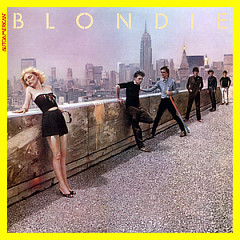
The first #1 hit with a rap was "Rapture" by Blondie in 1980. Debbie Harry's rhymes left lots of room for improvement.
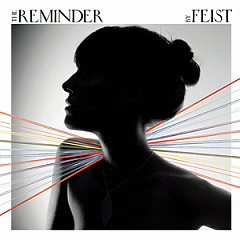
Feist's "1234" is "about lost love, and the hope to recapture what you once had," but it's best known for the Sesame Street version about counting to four.
Staind's big moment came in 1999 when lead singer Aaron Lewis played "Outside" on Limp Bizkit's Family Values tour. The live, acoustic version earned lots of radio play.
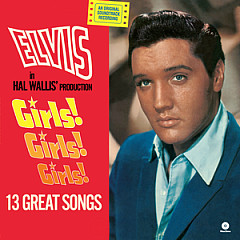
When the Elvis stamps came out in 1993, lots of folks used them to mail letters with bad addresses so they would be Returned To Sender.
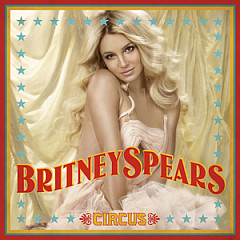
Before she was famous, Lady Gaga was a staff songwriter, and wrote the song "Quicksand," which Britney Spears recorded in 2008.
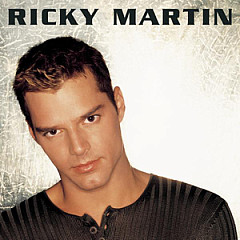
"Livin' La Vida Loca" is a Latin pop landmark, but "la vida loca" are the only Spanish words in the lyric - "mocha" is English.

The guitarist/songwriter explains how he came up with his signature sound, and deconstructs some classic Fear Factory songs.
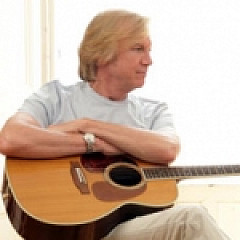
Justin wrote the classic "Nights In White Satin," but his fondest musical memories are from a different decade.
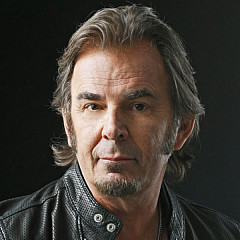
Cain talks about the divine inspirations for "Don't Stop Believin'" and "Faithfully."

Vince Gill, Emmylou Harris and Lyle Lovett are just a few of the artists who have looked to Clark for insightful, intelligent songs.
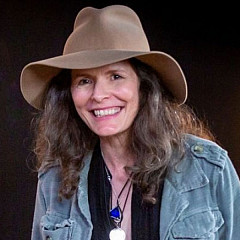
Edie Brickell on her collaborations with Paul Simon, Steve Martin and Willie Nelson, and her 2021 album with the New Bohemians.
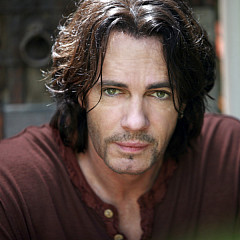
Rick has a surprising dark side, a strong feminine side and, in a certain TV show, a naked backside. But he still hasn't found Jessie's Girl.