Sacred Memories

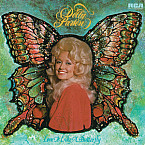
Album: Love Is Like A Butterfly (1974)
Play Video

Songfacts®:

  • In this track from her 14th solo album, Dolly Parton recalls the sacred memories of growing up in the Great Smoky Mountains of East Tennessee and attending the little country church where her maternal grandfather, the Reverend Jake Owens, was the pastor. Dolly was a member of the family band and she remembers them singing gospel songs like "Amazing Grace," "Lord I'm Coming Home," "If We Never Meet Again," and "Power In The Blood" in the high-spirited Pentecostal tradition.

    But Jake wasn't a stickler when it came to the music. "We would sing gospel songs, but he didn't require us to," Dolly explained in her 2020 book, Songteller. "You were allowed to get up and just express your gifts. If my grandpa thought you had a gift that was God-given, it didn't have to be just a sacred song."
  • The Parton family band sometimes performed in other churches - with mixed results: "One time, we sang in a church that drew out sin by handling snakes. We didn't have that in our church. When those snakes came out, my daddy came running down the aisle, cussing the preacher in the middle of that church. He wanted his kids out of there. He was scared to death of snakes, and he didn't believe in that kind of worship."
  • Dolly believes her music, and even her career, was shaped by her time in that little country church, but she's not particularly religious; she prefers the term spiritual. "I don't follow any traditions," she explained in Songteller. "I don't think I have to, because I believe my church is in my heart. God is right there. But those gospel songs are so embedded in me. That music means so much to me, to this day."
  • Dolly released her first album of gospel music, The Golden Streets Of Glory in 1971. The title song earned her a Grammy nomination for Best Sacred Performance. Her 1975 album Dolly featured her most successful gospel composition, "The Seeker," which peaked at #2 on the Country chart.
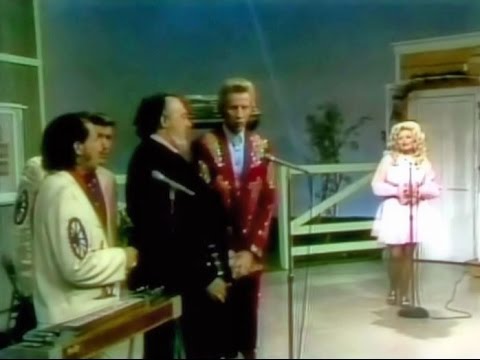
  • During this period, Dolly Parton had outgrown her relationship with her mentor, Porter Wagoner, after seven years of recording hit duet albums and appearing together on his eponymous TV show - all while she was trying to carve out a solo career. Earlier in 1974, the duo announced their professional split, and she released her landmark album, Jolene, which finally brought her the hard-earned commercial success she sought for years. It yielded two #1 hits on the Country chart: "Jolene" and "I Will Always Love You."
  • This was covered by the bluegrass bands Joe Mullins & the Radio Ramblers and the Forbes Family.

Comments: 1

  • Kizza Henry from UgandaMy number one singer is Dolly
see more comments

Editor's Picks

Donnie Iris (Ah! Leah!, The Rapper)

Donnie Iris (Ah! Leah!, The Rapper)Songwriter Interviews

Before "Rap" was a form of music, it was something guys did to pick up girls in nightclubs. Donnie talks about "The Rapper" and reveals the identity of Leah.

John Lee Hooker

John Lee HookerSongwriter Interviews

Into the vaults for Bruce Pollock's 1984 conversation with the esteemed bluesman. Hooker talks about transforming a Tony Bennett classic and why you don't have to be sad and lonely to write the blues.

Def Leppard Quiz

Def Leppard QuizMusic Quiz

Can you name Def Leppard's only #1 hit in America? Get rocked with this adrenalized quiz.

In The Cards

In The CardsSong Writing

Songwriters have used cards and card games to make sense of heartache, togetherness, and even Gonorrhea.

Producer Ron Nevison

Producer Ron NevisonSong Writing

Ron Nevison explains in very clear terms the Quadrophenia concept and how Heart staged their resurgence after being dropped by their record company.

Bryan Adams

Bryan AdamsSongwriter Interviews

What's the deal with "Summer of '69"? Bryan explains what the song is really about, and shares more of his songwriting insights.