
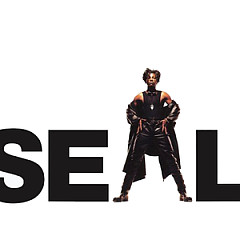
In "Kiss From A Rose," seal sings "kiss from a rose on a gray," not "grave," but he won't explain the lyric, feeling listeners should adapt the song to their own experience.
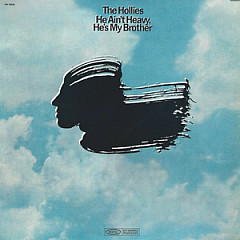
The motto for Boys Town, which was a Nebraska home for troubled youth, inspired the song "He Ain't Heavy, He's My Brother" by The Hollies.
The New Year's Eve favorite "Auld Lang Syne" is a Scottish song that roughly translates to "Days Of Long Ago."
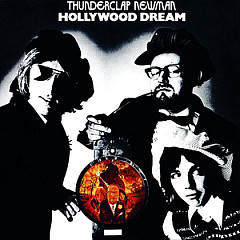
Pete Townshend never had a #1 UK hit with The Who or as a solo artist, but he did produce and play on a song that hit the top spot there: "Something In The Air" by Thunderclap Newman, a group he assembled.
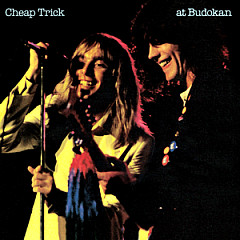
Cheap Trick's original version of "I Want You To Want Me" was countrified and kind of hokey. When they sped it up for their Live At Budokan album, it became a huge hit.
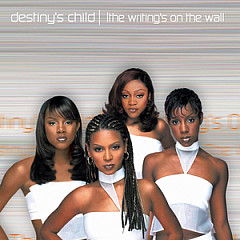
There's some dated tech in the 1999 Destiny's Child song "Bug A Boo," where they complain about a guy who bugs them on MCI, AOL, and their pagers.
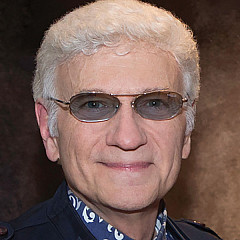
Dennis DeYoung explains why "Mr. Roboto" is the defining Styx song, and what the "gathering of angels" represents in "Come Sail Away."
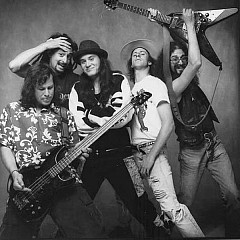
Faith No More's bassist, Billy Gould, chats to us about his two new experimental projects, The Talking Book and House of Hayduk, and also shares some stories from the FNM days.
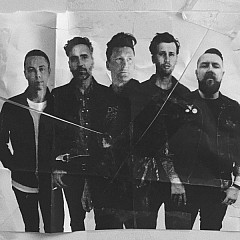
The lead singer/lyricist for Anberlin breaks down "Impossible" and covers some tracks from their 2012 album Vital.
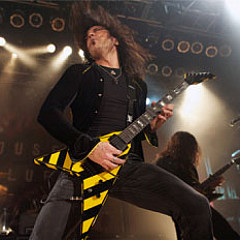
Find out how God and glam metal go together from the Stryper frontman.
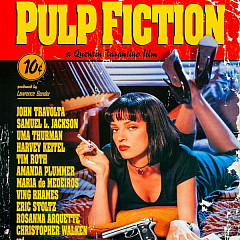
Whether he's splitting ears or burning Nazis, Quentin Tarantino uses memorable music in his films. See if you can match the song to the scene.