Mariana Trench

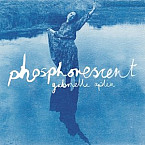
Album: Phosphorescent (2023)
Play Video

Songfacts®:

  • The Mariana Trench, in the western Pacific Ocean, is the world's deepest spot, reaching a crushing 36,070 feet (10,994 meters) at its lowest point. It's a crescent-shaped trench created by the collision of two tectonic plates, named after the nearby Mariana Islands. In spite of the rough conditions and extreme depth, the Mariana Trench is the abode of rare and captivating marine creatures that have adapted to the darkness and pressure of this deep-sea environment.

    This piano ballad nods to the Blue Planet episode (a BBC nature documentary) that Gabrielle Aplin watched about the trench. Composed in early 2021, the song connects Aplin's personal experience of loneliness during the third COVID-19 pandemic lockdown in England with the shared emotional responses of people across the globe.
  • "Mariana Trench" is a track from Gabrielle Aplin's fourth album, Phosphorescent. Why Phosphorescent? "It's about the life and the light in dark places," Aplin explained to The Sun. "I was really inspired by phosphorescent sea creatures. When I was writing I was watching the Blue Planet episode about the Mariana Trench and all that life surviving in the deepest known point on Earth. It felt like a real metaphor for where we were as a community at the time. You think of human resilience and also personal resilience."
  • The band Bright Eyes also recorded a song titled "Mariana Trench" for their 2020 Down in the Weeds, Where the World Once Was album. That tune finds their frontman Conor Oberst gazing up at Mount Everest, Earth's pinnacle, and peering down at The Mariana Trench, its deepest point, nearly 36,000 feet beneath the Pacific's surface. The striking contrast is about the stark extremes of life.

    Other song inspired by the Mariana Trench include:

    1989 "Wave of Mutilation" by The Pixies.

    I've kissed mermaids, rode the El Niño
    Walked the sand with the crustaceans
    Could find my way to Mariana
    On a wave of mutilation


    Frontman Black Francis' lyrics reference the Mariana Trench as a place of beauty and danger and suggest that he is searching for something there.

    2009 "Marianas Trench" by August Burns Red.

    We cannot swim under these conditions
    We're drowning, quicker and quicker


    This track from the metalcore band's third album, Constellations, details a ship sinking in the Mariana Trench. The lyrics describe the vastness and darkness of the trench, and they compare it to the narrator's own feelings of isolation and despair.

    2018 "The Mariana" by Everything Everything.

    Look up at that Everest
    Look down in that Mariana Trench
    Look now as the crumbling 405 falls down
    When the big one hits


    This one is a slow-burning, atmospheric ballad that explores the themes of masculinity, depression, and suicide. The lyrics of the song reference the Mariana Trench as a metaphor for the depths of despair that the narrator has fallen into.

Comments

Be the first to comment...

Editor's Picks

David Bowie Lyrics Quiz

David Bowie Lyrics QuizMusic Quiz

How well do you know your David Bowie lyrics? Take this quiz to find out.

Elton John

Elton JohnFact or Fiction

Does he have beef with Gaga? Is he Sean Lennon's godfather? See if you can tell fact from fiction in the Elton John edition.

Chris Robinson of The Black Crowes

Chris Robinson of The Black CrowesSongwriter Interviews

"Great songwriters don't necessarily have hit songs," says Chris. He's written a bunch, but his fans are more interested in the intricate jams.

Country Song Titles

Country Song TitlesFact or Fiction

Country songs with titles so bizarre they can't possibly be real... or can they?

Facebook, Bromance and Email - The First Songs To Use New Words

Facebook, Bromance and Email - The First Songs To Use New WordsSong Writing

Where words like "email," "thirsty," "Twitter" and "gangsta" first showed up in songs, and which songs popularized them.

Chris Frantz of Talking Heads

Chris Frantz of Talking HeadsSongwriter Interviews

Talking Heads drummer Chris Frantz on where the term "new wave" originated, the story of "Naive Melody," and why they never recorded another cover song after "Take Me To The River."