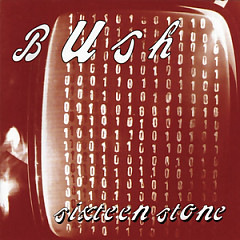
After Gwen Stefani and Gavin Rossdale coupled up in 1996, Rossdale's Bush bandmates referred to their hit song "Everything Zen" as "Everything Gwen."
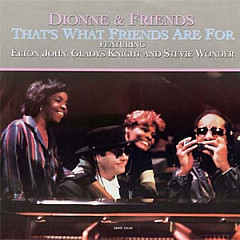
Elton John didn't win a Grammy until 1986, when he got one for singing on "That's What Friends Are For."
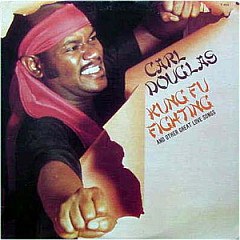
Kung Fu was big in 1974, with movies by Bruce Lee and a TV series called Kung Fu. Carl Douglas brought it to the dance floor that year with "Kung Fu Fighting," a #1 hit.
"Sing" was inspired by a girl that Ed Sheeran met in Las Vegas in the summer of 2013, when "one thing led to another and now she's kissing my mouth."
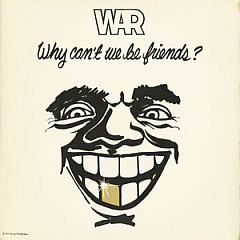
War got the idea for "Why Can't We Be Friends?" when they were traveling in Japan and found they had a kinship with the citizens even though they didn't speak the same language.
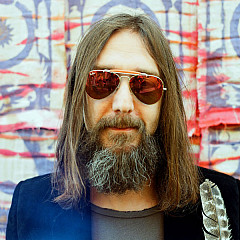
"Great songwriters don't necessarily have hit songs," says Chris. He's written a bunch, but his fans are more interested in the intricate jams.
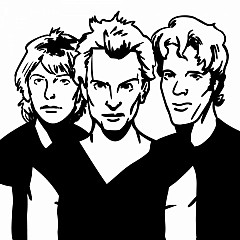
Do their first three albums have French titles? Is "De Do Do Do, De Da Da Da" really meaningless? See if you can tell in this Fact or Fiction.
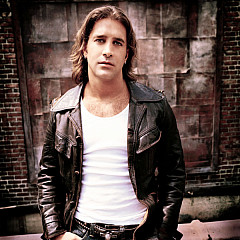
The Creed lead singer reveals the "ego and self-fulfillment" he now sees in one of the band's biggest hits.

She thinks of herself as a "song interpreter," but back in the '80s another country star convinced Emmylou to take a crack at songwriting.

Did they really trade their guitarist to The Doobie Brothers? Are they named after something naughty? And what's up with the band name?