
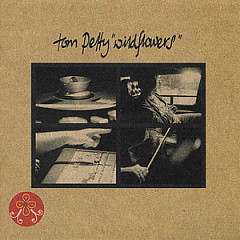
Tom Petty was a big star on MTV, but he ran afoul of their policies with the line "let's roll another joint" in "You Don't Known How It Feels." The network ended up reversing the word "joint" so it was unintelligible, then giving the video a VMA for Best Male Video.
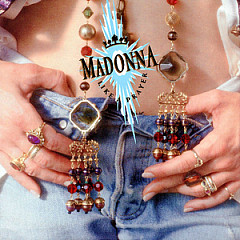
Madonna's hit "Like A Prayer" debuted in a Pepsi commercial, but Pepsi pulled the ad the next day when the controversial video appeared. Madonna got to keep her $5 million endorsement money.
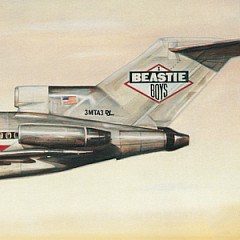
The Beastie Boys' "No Sleep Till Brooklyn" is a parody of heavy metal music. Kerry King of Slayer played guitar on the track - purposefully out of tune in parts.
The Pretenders are named after the 1956 song "The Great Pretender" by The Platters.
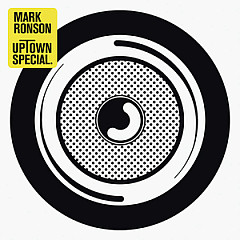
The actress Michelle Pfeiffer gets namechecked in the 2014 megahit "Uptown Funk" ("Michelle Pfeiffer, that white gold"). When it was released, "Riptide" by Vance Joy was on the charts; that song also mentions her ("Closest thing to Michelle Pfeiffer that you've ever seen").
In 1939, a polka craze swept America thanks to "Beer Barrel Polka (Roll Out The Barrel)."
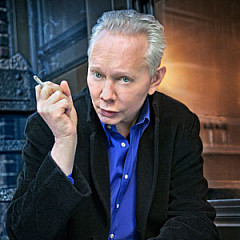
Joe talks about the challenges of of making a Duke Ellington tribute album, and tells the stories behind some of his hits.
Rudolf, Bob Dylan and the Singing Dogs all show up in this Fact or Fiction for seasonal favorites.
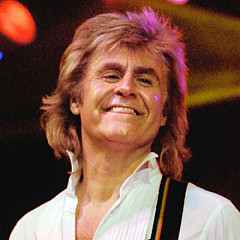
John tells the "St. Elmo's Fire (Man In Motion)" story and explains why he disappeared for so long.
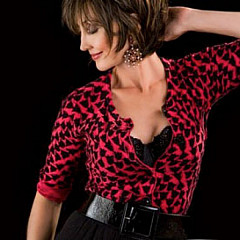
The country sweetheart opines about the demands of touring and talks about writing songs with her famous father.
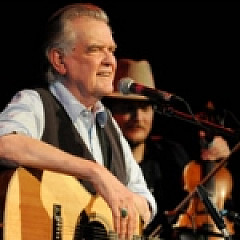
Vince Gill, Emmylou Harris and Lyle Lovett are just a few of the artists who have looked to Clark for insightful, intelligent songs.
Prince is shrouded in mystery, making him an excellent candidate for Fact or Fiction. Is he really a Scientologist? Does he own an exotic animal?