
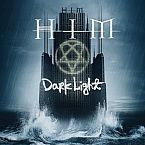

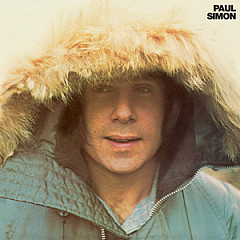
Mickey Mantle and John Madden both appear in the video for "Me And Julio Down By The Schoolyard" by Paul Simon. Biz Markie and Big Daddy Kane do a rap intro.
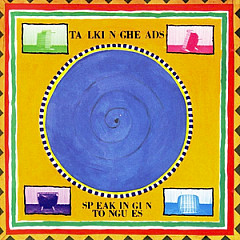
"Burning Down The House" by Talking Heads was inspired by chant band members heard at a P-Funk show where the crowd yelled, "burn down the house... burn down the house."
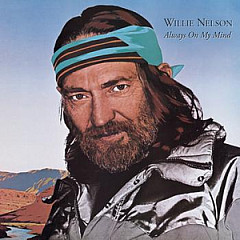
Elvis Presley recorded "Always On My Mind" in 1972, but Willie Nelson's version 10 years later was the hit and won the Song of the Year Grammy.
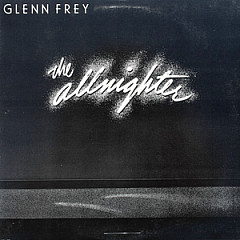
Glenn Frey of the Eagles played a bad guy in a 1985 episode of Miami Vice based on his song "Smuggler's Blues."

The Isley Brothers became the first group to score a Top 50 hit in six consecutive decades when their song "Contagious" peaked at #19 in 2001. Their first entry was their song "Shout" in 1959.
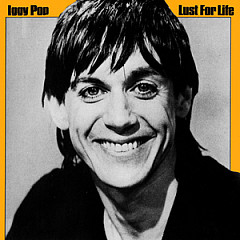
Iggy Pop wrote "Lust For Life" with David Bowie, who came up with the music on a ukulele.

The top Contemporary Christian artist of all time on song inspirations and what she learned from Johnny Carson.

From the cowbell on "Mississippi Queen" to recording with The Who when they got the wrong Felix, stories from one of rock's master craftsmen.
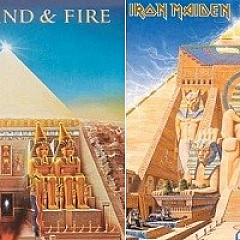
Some album art was at least "inspired" by others. A look at some very similar covers.
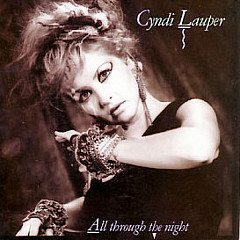
Shears does very little promotion, which has kept him secluded from the spotlight. What changed when Cyndi Lauper had a hit with his song? Not much, really.

Since emerging from MySpace with her hit "Bubbly," Colbie has become a top songwriter, even crafting a hit with Taylor Swift.
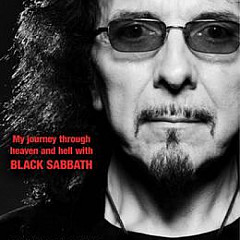
Dwarfs on stage with an oversize Stonehenge set? Dabbling in Satanism? Find out which Spinal Tap-moments were true for Black Sabbath.