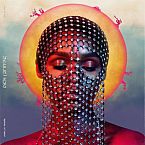
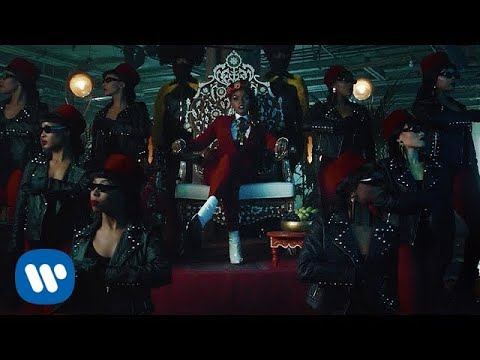
Django Jane

Album: Dirty Computer (2018)
Play Video

Songfacts®:

  • This song's title references Quentin Tarantino's slavery film Django Unchained. The track is a protest anthem for black women that finds Janelle Monáe rapping about her roots and past accomplishments. She explained to The Guardian:

    "[It's] A response to me feeling the sting of the threats being made to my rights as a woman, as a black woman, as a sexually liberated woman, even just as a daughter with parents who have been oppressed for many decades. Black women and those who have been the 'other,' and the marginalized in society - that's who I wanted to support, and that was more important than my discomfort about speaking out."
  • Speaking to Annie Mac on BBC Radio 1, Janelle Monáe explained the song was a response to "feeling like my rights as a young black woman are constantly being trampled on". "I'm angry at many of the things that I hear coming out of the mouths of people in the position of power," she said. "I'm tired of the abuse of power. I'm tired of so many things."

    Monáe continued: "But at the end of the day, I do believe that we are on a shift change. Women are uniting, we're realizing we're stronger together, we're more powerful together, that we really can get [things] done when we are aligned, and so 'Django Jane' was important to say that."
  • Janelle Monáe explained the song to Genius:

    "I just wanted to remind myself and remind other women that we're magical, you know? I think that you can use songs as a way, you can use music, you can use lyrics, you can use art, as a way to protest, as a way to fight back… As a young Black woman, my very existence felt less than the people in the position of power right now. Just what they say about women's rights, what they say about us in this world, there were a lot of times where I left the studio recording the song. I was so upset. But I knew that I needed to articulate, needed to channel that energy."
  • Jane Bond never Jane Doe.

    Monáe explained the lyric: "It's a play off James Bond, and this character is a protagonist. He saves people, he gets to be this complex person, but in the end he survives. I'm saying that, you know, you wanna race me. I can be just as clever, as powerful, as suave, as free as I wanna be. In the same way that all these male protagonist characters throughout history have moved through the streets. I think saying Jane Bond, never Jane Doe, is saying that you can't erase me. I will prevail. I will come out in a car flying across the ocean before you kill me or kill my essence, kill my spirit."
  • According to an interactive graphic, explaining the inspiration behind each track on Dirty Computer, "Django Jane" was inspired by the Dora Milaje female team from Black Panther.

Comments

Be the first to comment...

Editor's Picks

Chrissie Hynde of The Pretenders

Chrissie Hynde of The PretendersSongwriter Interviews

The rock revolutionist on songwriting, quitting smoking, and what she thinks of Rush Limbaugh using her song.

Evolution Of The Prince Symbol

Evolution Of The Prince SymbolSong Writing

The evolution of the symbol that was Prince's name from 1993-2000.

Facebook, Bromance and Email - The First Songs To Use New Words

Facebook, Bromance and Email - The First Songs To Use New WordsSong Writing

Where words like "email," "thirsty," "Twitter" and "gangsta" first showed up in songs, and which songs popularized them.

Susanna Hoffs - "Eternal Flame"

Susanna Hoffs - "Eternal Flame"They're Playing My Song

The Prince-penned "Manic Monday" was the first song The Bangles heard coming from a car radio, but "Eternal Flame" is closest to Susanna's heart, perhaps because she sang it in "various states of undress."

Allen Toussaint - "Southern Nights"

Allen Toussaint - "Southern Nights"They're Playing My Song

A song he wrote and recorded from "sheer spiritual inspiration," Allen's didn't think "Southern Nights" had hit potential until Glen Campbell took it to #1 two years later.

Chris Robinson of The Black Crowes

Chris Robinson of The Black CrowesSongwriter Interviews

"Great songwriters don't necessarily have hit songs," says Chris. He's written a bunch, but his fans are more interested in the intricate jams.