

Bob Marley's backup singers, The I Threes, claim they are the "Three Little Birds" in his famous song.
Elton John had a huge hit duetting with Kiki Dee on "Don't Go Breaking My Heart," but he's also performed it with RuPaul and Miss Piggy.
Rapper Memphis Bleek's 2005 album track "The One" is notable for featuring a then-unknown Rihanna on the hook. It was the Barbadian singer's first-ever major-label appearance.
"Jessie's Girl" tells the true story of a girl Rick Springfield was crushing on, but her boyfriend's name was really Gary and he was more of an acquaintance than a friend.

"A Hard Day's Night" was the title song to The Beatles' first movie, which was surprisingly good: it was nominated for two Oscars.
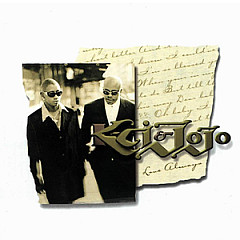
"All My Life" by K-Ci & JoJo, a #1 hit in 1997, is a tribute to JoJo Hailey's 7-year-old daughter Kayla. He changed the lyrics to make it more of a universal love song.

Chad tells tales from his time as drummer for Nirvana, and talks about his group Before Cars.
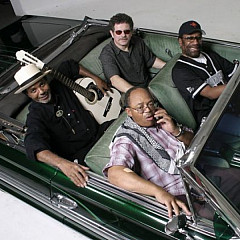
A founding member of the band War, Harold gives a first-person account of one of the most important periods in music history.
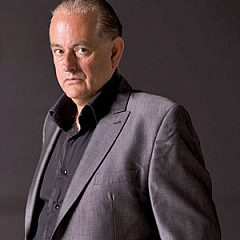
Martyn talks about producing Tina Turner, some Heaven 17 hits, and his work with the British Electric Foundation.

Based on criteria like girlfriend tension, stage mishaps and drummer turnover, these are the 10 bands most like Spinal Tap.
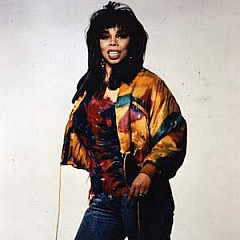
Outrageously gifted and just plain outrageous, Millie is an R&B and Rap innovator.
The '70s gave us Muppets, disco and Van Halen, all which show up in this groovy quiz.