
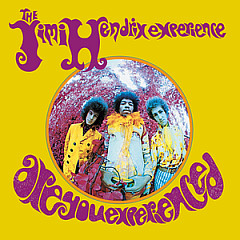
Jimi Hendrix opened for The Monkees on their 1967 tour, and it did not go well. The young, mostly female crowd shouted "Davy" when Hendrix sang the word "Lady" in "Foxy Lady" in honor of who they came to see: Monkees lead singer Davy Jones.
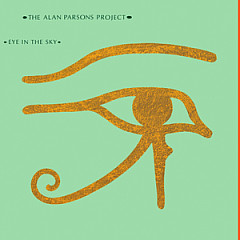
The song used in introductions by the Chicago Bulls and many other sports teams is "Sirius" by The Alan Parsons project, the opening track on the Eye In The Sky album.
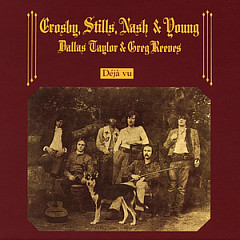
Joni Mitchell wrote "Woodstock" - the most popular song about the festival - but didn't attend the event because she was booked on The Dick Cavett Show.
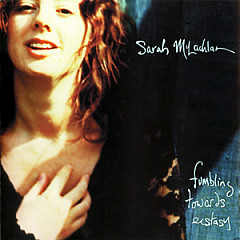
Sarah McLachlan's "Possession" contains passages from letters a stalker sent her. He sued her for using them but died by suicide before the trial.
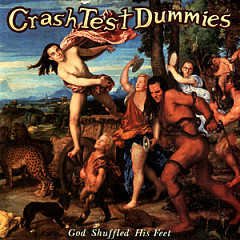
The third verse of "Mmm Mmm Mmm Mmm" by Crash Test Dummies ("they shook and lurched all over the church floor...") was inspired by girl whose parents would speak in tongues at their Pentecostal service.

Tired of X-Factor winners getting the UK Christmas #1, British Facebook users staged a successful campaign to download "Killing In The Name" by Rage Against The Machine enough times to boost the song to the top in 2009, blocking the X-Factor single by Joe McElderry.
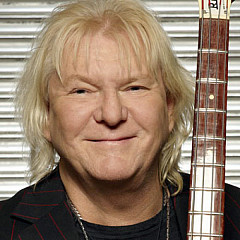
One of the most dynamic bass player/songwriters of his time, Chris is the only member of Yes who has been with the band since they formed in 1968.
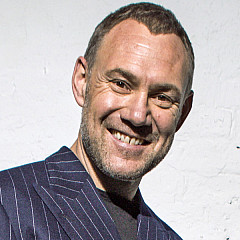
David Gray explains the significance of the word "Babylon," and talks about how songs are a form of active imagination, with lyrics that reveal what's inside us.
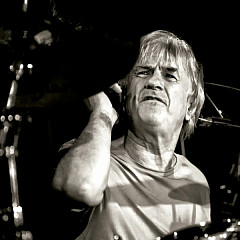
The Yardbirds drummer explains how they created their sound and talks about working with their famous guitarists.
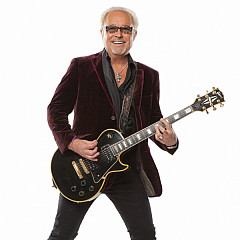
Foreigner's songwriter/guitarist tells the stories behind the songs "Juke Box Hero," "I Want To Know What Love Is," and many more.
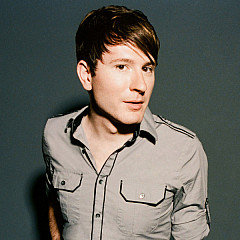
Is Owl City on a quest for another hit like "Fireflies?" Adam answers that question and explains the influences behind many others.