

Richard Pryor Addresses A Tearful Nation

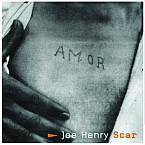
Album: Scar (2001)
Play Video

Songfacts®:

  • This soulful track finds Joe Henry singing from the perspective of Richard Pryor, a famous Black comedian who retreated from public view as his health deteriorated in the '90s due to multiple sclerosis. As Pryor, he's addressing his fans in the United States, who are mourning his absence. Like many of his song ideas, this one came to him while he was behind the wheel.

    "I was driving in Los Angeles coming home one evening and started to hear the song take shape," Henry explained to Songfacts. "I was singing aloud when I heard it in the car without any real notion of where it was going. And I'm certainly never trying to drive a song. I'm trying to follow a song. Always. And in an instant, I understood that although I was singing 'I,' I believed that I was singing as Richard."
  • Henry built his musical reputation in the Americana/alt-country vein, but this tune called for a different vibe. He continued: "The next day, when I was in front of a piano and trying to get after the song in earnest and see what I could do with it, there was a moment as I played through it that I thought, Wow, I'd love to record this as sort of a languid orchestral blues, in the spirit of Duke Ellington. Not an electric-rock, blues conceit, but in a very lush and languid way I wanted to incorporate orchestration."
  • This features legendary jazz saxophonist Ornette Coleman, who broke his own rule about not being a sideman when he agreed to play on the track. Henry wrote a letter to Coleman, known as one of the founders of the free jazz genre, after he realized that he needed outside help to capture Pryor's essence. "I need someone who can stand in for Richard who can meet his historic significance and his volatility and his intensity," he recalled.

    His request was swiftly denied via a phone call from one of the women on Coleman's crew, but a few days later, she called back. Fortunately, Henry had enclosed a copy of his most recent record, Fuse (1999), with the letter, and it won Coleman over.

    "It was as simple as that," Henry said. "From then on, I recorded the bulk of the song in Los Angeles in a live session, but all of us involved in that would have been Marc Ribot and Brad Mehldau and Brian Blade and David Phelps. We all played leaving room in whatever way we could for the specter of Ornette to walk through the frame of the song's picture, because we knew he was going to be there ultimately, and that we had no idea what he would do. I had no idea what he would do other than be Ornette because he didn't know any other way. And he surpassed every expectation I had for what he might bring to the table."
  • Scar, Henry's eighth studio album, was also dedicated to Pryor, who died of a heart attack a few years later at age 65. In 2013, the singer and his screenwriter brother, David Henry, released a biography of the comedian, titled Furious Cool: Richard Pryor and the World That Made Him.

Comments

Be the first to comment...

Editor's Picks

Gary LeVox

Gary LeVoxSongwriter Interviews

On "Life Is A Highway," his burgeoning solo career, and the Rascal Flatts song he most connects with.

Jay, Peaches, Spinderella and other Darrining Victims

Jay, Peaches, Spinderella and other Darrining VictimsSong Writing

Just like Darrin was replaced on Bewitched, groups have swapped out original members, hoping we wouldn't notice.

Danny Kortchmar

Danny KortchmarSongwriter Interviews

Danny played guitar on Sweet Baby James, Tapestry, and Running On Empty. He also co-wrote many hit songs, including "Dirty Laundry," "Sunset Grill" and "Tender Is The Night."

Adam Duritz of Counting Crows

Adam Duritz of Counting CrowsSongwriter Interviews

"Mr. Jones" took on new meaning when the song about a misguided view of fame made Adam famous.

David Paich of Toto

David Paich of TotoSongwriter Interviews

Toto's keyboard player explains the true meaning of "Africa" and talks about working on the Thriller album.

Judas Priest

Judas PriestSongwriter Interviews

Rob Halford, Richie Faulkner and Glenn Tipton talk twin guitar harmonies and explain how they create songs in Judas Priest.