Not To Blame

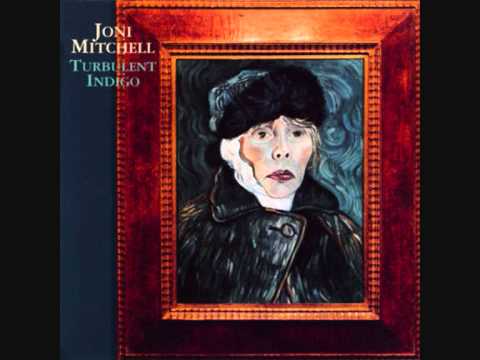
Album: Turbulent Indigo (1994)
Play Video

Songfacts®:

  • This bitter song describes a famous guy who is abusive to one woman and drives another to suicide, all the while claiming he is not to blame. The likely inspiration is Jackson Browne, whom Mitchell dated for a time in the early '70s. Browne's first wife, Phyllis Major, committed suicide in 1976, and in 1992 Daryl Hannah suffered injuries at the home she and Browne shared in Santa Monica, California. Hannah didn't file charges against Browne, and he vigorously denied any wrongdoing. The incident happened at the end of their relationship.

    Mitchell claimed the song was not about a specific person, but about "batterers of women" in general, but Browne was so clearly implicated in the song that he took to the press to defend himself, reiterating that he never struck Hannah.
  • This is a track on Mitchell's 15th album, Turbulent Indigo, one of her most acclaimed. It won the Grammy Award for Best Pop Album, her first win in an album category.

Comments: 4

  • Tyto Alb from AustraliaPhrases like "lifelong deranged enmity" in the comments above don't do as much to undermine Joni Mitchell as their authors seem to think. "She's crazy" is the catch-cry of every domestic abuser, and the fact that the man in question tried to use the same tactic does not speak well for him. Calling a woman "crazy" because she does not put a filter on her honesty is just another form of abuse. So is threatening to sue her. If she puts a man she used to know into a part of a song that would seem to the vast majority of listeners just to be a song about domestic violence, and he arcs up and tries to say it's all just because she was mentally ill - and he is a man who is known to be litigious - why wouldn't she "refuse to confirm or deny" that the song is all about him? The commentators here seem to forget that usually when a woman says a man has been violent towards her, she is telling the truth.

    But all of this distracts from the purpose of the song, which is to shine a light on the way certain sycophants flock to aid violent men in their gaslighting campaigns - drawing upon them suspicion of similar deeds. Funny, that.
  • Barbara Allen from ScotlandIt wasn't Jackson Browne who abused her, it was the musicial Don Alias, who played on a few albums with her. She always said JB didn't hit her.
    Incidentally, and re Daryl Hannah, just because someone doesn't press charges against a person, it doesn't mean it didn't happen. If you've ever been on the receiving end, you would understand how these people operate in their abuse of others.
  • Tws from Los Angeles Only because I find myself listening to these two amazing artists a good bit these days do I feel any impulse to chime in. Of course few - if any - people can know the absolute truth about the specifics of either issue. But in that Mitchell's "brand" was to be as brutally honest as possible (one of the many things that makes her such an incredible artist) why then would she refuse to confirm or deny that this song was directed at Browne? She just lets the slander dangle unanswered. To strike out publically without proof is yet another kind of abuse. Ironic - given the tragic theme of the song.
  • Mrmeaning from Uk'Not to Blame' is widely understood to be Joni's condemnation of her ex Jackson Browne as a wife-beater who drove women to suicide but says he's not to blame. Her 'Song For Sharon' (on 'Hejira' ) also puts the boot in about the suicide of Jackson's first wife, Phyllis Major. The casual reader/listener might well assume that honest Joni, who knew him well must be telling the truth. But the truth is: Browne isn't a violent man. He earned her lifelong deranged emnity by not loving her enough and then dumping her. See, if you will, my post: https://soothfairy.com/2015/03/29/jackson-browne-and-daryl-hannah/#mitchell
see more comments

Editor's Picks

Jesus In Pop Hits: The Gospel Songs That Went Mainstream

Jesus In Pop Hits: The Gospel Songs That Went MainstreamSong Writing

These overtly religious songs crossed over to the pop charts, despite resistance from fans, and in many cases, churches.

Adam Duritz of Counting Crows

Adam Duritz of Counting CrowsSongwriter Interviews

"Mr. Jones" took on new meaning when the song about a misguided view of fame made Adam famous.

Jim Adkins of Jimmy Eat World

Jim Adkins of Jimmy Eat WorldSongwriter Interviews

Jim talks about the impact of "The Middle" and uses a tree metaphor to describe his songwriting philosophy.

Al Jourgensen of Ministry

Al Jourgensen of MinistrySongwriter Interviews

In the name of song explanation, Al talks about scoring heroin for William Burroughs, and that's not even the most shocking story in this one.

Dave Pirner of Soul Asylum

Dave Pirner of Soul AsylumSongwriter Interviews

Dave explains how the video appropriated the meaning of "Runaway Train," and what he thought of getting parodied by Weird Al.

Chris Isaak

Chris IsaakSongwriter Interviews

Chris tells the story of "Wicked Game," talks milkshakes and moonpies at Sun Records, and explains why women always get their way.