
Shakira calls her sons Milan and Sasha her "Waka Kids" because she met their father, Spanish soccer star Gerard Piqué, on the video shoot for "Waka Waka (This Time For Africa)," the official song of the 2010 FIFA World Cup in South Africa.

The title of Florence + the Machine's "How Big, How Blue, How Beautiful" was inspired by the Los Angeles skyline.

The video for Weezer's "Pork and Beans" features YouTube stars Chris Crocker, The Chocolate Rain Guy, The "Peanut Butter Jelly Time" Banana, and the Star Wars kid.
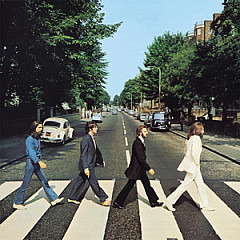
It wasn't a hit when the group was active, but "Here Comes The Sun" has risen to become one of the most popular Beatles songs. This became apparent in the download era when it was the group's top-selling song the first week their catalog was available on iTunes.
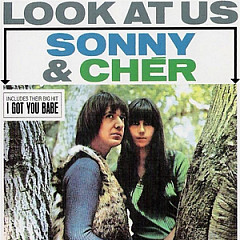
Cher had a habit of calling people "babe," which her husband, Sonny Bono, picked up. That's how "babe" landed in the 1965 Sonny & Cher megahit "I Got You Babe."
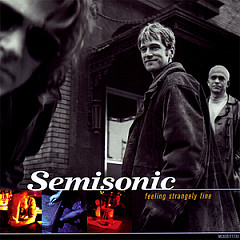
"Closing Time" by Semisonic was written by the lead singer when his wife was pregnant. Some of the lyrics are about being born.
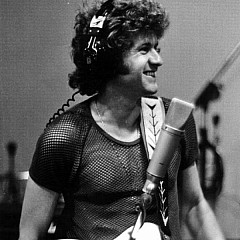
Inspired by his dear friend, "Seasons in the Sun" paid for Terry's boat, which led him away from music and into a battle with Canadian paper mills.

The British reggae legend tells the story of his #1 hit "Close To You," talks about his groundbreaking Shabba Ranks collaboration "Housecall," and discusses his latest project with Robin Trower.
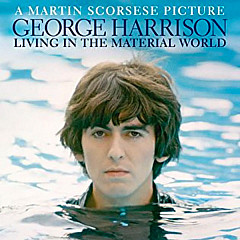
Did Eric Clapton really steal George's wife? What's the George Harrison-Monty Python connection? Set the record straight with our Fact or Fiction quiz.
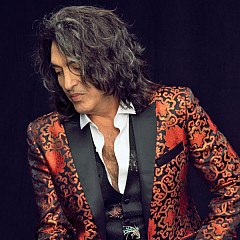
Paul Stanley on his soul music project, the Kiss songs with the biggest soul influence, and the non-make-up era of the band.
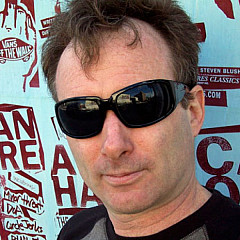
After cutting his teeth on hardcore punk videos, Paul defined the grunge look with his work on "Hunger Strike" and "Man in the Box."
Lyrics don't always follow the rules of grammar. Can you spot the ones that don't?