Supermodel

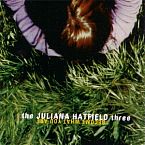
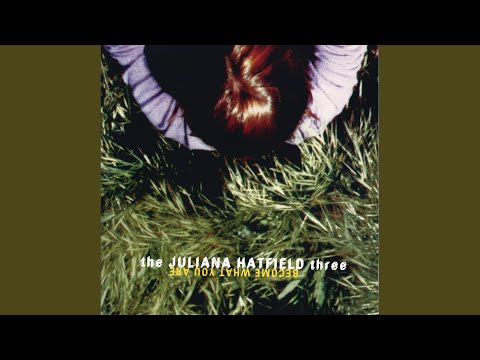
Album: Become What You Are (1993)
Play Video

Songfacts®:

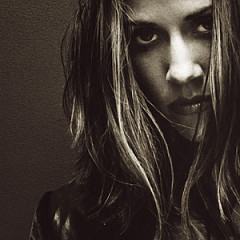
  • "Supermodel" is Juliana Hatfield's sharp-edged, conflicted critique of the early-1990s fashion industry and the way it turned women into glamorous disposable products. Over crunchy alternative-rock guitars, Hatfield sings that "the highest paid piece of ass" is ultimately temporary merchandise: glossy for a month, then tossed aside along with the magazines themselves. It's the sort of observation that sounds obvious now, but in 1993, when the supermodel era was strutting around the culture like it owned the planet, it landed with the subtlety of a stiletto heel to the shin.
  • Hatfield explained to Uncut magazine in 2026 the song was intentionally unresolved: "In 'Supermodel' it's a little unclear whether I'm criticizing or I'm in solidarity with the supermodels. I was exploring conflicts in my own mind about image. I'm sure there were people at my record label who wanted me to show more skin and to exploit my own good looks. I was uncomfortable with that, and I was thinking, 'Why do women play into that?'"

    That tension - sympathizing with the pressures placed on women while also questioning why women participate - gives the song its enduring bite.
  • "Supermodel" in 1993 meant the era's most glamorized women - Naomi Campbell, Cindy Crawford, Linda Evangelista - at the absolute zenith of their cultural power. Hatfield uses the term ironically: the "supermodel" is both idolized and trapped, worshipped and commodified at the same time.
  • One of the song's most memorable moments comes at the end of the first verse when Hatfield stretches and distorts the final note of the word "trash" for nearly eight seconds. Popdose described it as "eight weird and gorgeous seconds," and it's hard to disagree. The effect sounds like the song briefly glitching under the weight of its own disgust, as if the tape machine suddenly developed opinions about the fashion industry and chose that exact moment to express them.
  • "Supermodel" belongs to a notable pantheon of songs skewering the fashion industry and its ideals. RuPaul's disco-pop anthem "Supermodel (You Better Work)" from the same year celebrated runway culture with campy exuberance, a striking contrast to Hatfield's sardonic ambivalence.

    Hole's "Celebrity Skin" (1998) later explored the corrosive cost of chasing beauty and fame, while David Bowie's "Fashion" (1980) critiques the vacuousness of image culture while remaining uneasily seduced by it, the same tension Hatfield identified in her own lyrics.

    SZA's "Supermodel" (2017), uses the same metaphor to explore female self-worth, though from the opposite direction: longing to be seen rather than resisting being looked at.

    What makes Hatfield's "Supermodel" distinctive in this company is its insider discomfort: rather than attacking from the outside, she wrote from the position of a young woman being pressured by her own record label to exploit her looks, giving the song an unresolved, honest quality that straight satire lacks.
  • The track opens Become What You Are, the 1993 album credited to The Juliana Hatfield Three. The title came from a maxim by Friedrich Nietzsche about becoming one's true self, which suited Hatfield's introspective songwriting and probably confused at least a few record executives who had been hoping for simpler marketing materials. By opening the album with "Supermodel," Hatfield immediately establishes its themes of exploitation, alienation, and self-examination. The record also tackles rape on "A Dame with a Rod," celebrity worship on "I Got No Idols," and anorexia on "Addicted," making it one of alternative rock's more quietly confrontational albums.
  • Produced by Scott Litt - best known for his work with R.E.M. - the album helped cement Hatfield as one of the era's sharper lyricists. Though Become What You Are only reached #119 on the US Album Chart, it earned strong critical acclaim, with NME ranking it #9 on its Albums of the Year list for 1993.

Comments

Be the first to comment...

Editor's Picks

Jon Anderson

Jon AndersonSongwriter Interviews

Jon Anderson breaks down the Yes classic "Seen All Good People" and talks about his 1000 Hands album, which features Chick Corea, Rick Derringer, Ian Anderson, and many other luminaries.

Lita Ford

Lita FordSongwriter Interviews

Lita talks about how they wrote songs in The Runaways, and how she feels about her biggest hit being written by somebody else.

Modern A Cappella with Peder Karlsson of The Real Group

Modern A Cappella with Peder Karlsson of The Real GroupSong Writing

The leader of the Modern A Cappella movement talks about the genre.

Pam Tillis

Pam TillisSongwriter Interviews

The country sweetheart opines about the demands of touring and talks about writing songs with her famous father.

David Paich of Toto

David Paich of TotoSongwriter Interviews

Toto's keyboard player explains the true meaning of "Africa" and talks about working on the Thriller album.

Marvin Gaye

Marvin GayeFact or Fiction

Did Marvin try out with the Detroit Lions? Did he fake crazy to get out of military service? And what about the cross-dressing?