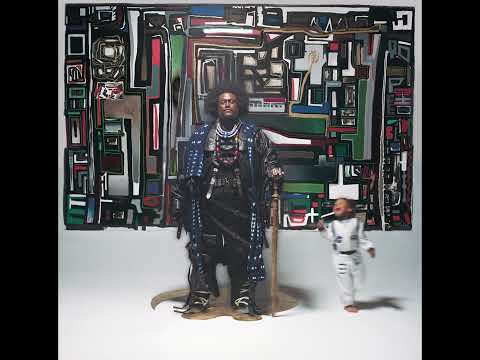
Lines In The Sand

Album: Fearless Movement (2024)
Play Video

Songfacts®:

  • "Lines in the Sand" is a powerful and introspective track that serves as a rousing plea for togetherness. The song uses the imagery of lines in the sand to represent barriers or divisions that can keep us apart. These lines can symbolize anything from racial and social inequalities to personal differences.

    But Kamasi Washington doesn't leave us mired in division. Instead, he offers a message of hope, reminding us that, like those literal lines in the sand, these barriers can be washed away with the tide.
  • The song was born out of a family argument over COVID restrictions - an everyday kind of spat that got Washington thinking about the madness of our increasingly polarized world.

    "I was just like, what is going on in the world that we're just so divided?" he told Uncut magazine. "Everything is about choosing a side: I'm on this side, and you're on that side, which means I'm supposed to hate you, and you're supposed to hate me. I'm supposed to think that everything you say is a lie, and everything you do is wrong, and you're supposed to think the same thing about me. That's a ridiculous impossible place to exist in, you know."
  • Singers Patrice Quinn of the West Coast Get Down jazz collective and Dwight Trible lend a light, sweet vocal touch to "Lines in the Sand." Quinn has been a featured vocalist on Washington's albums since his 2007 debut, The Proclamation, while Trible joined the lineup for his third album, 2015's The Epic.
  • Fearless Movement is a blend of jazz, funk, soul, and hip-hop that's got dance as its muse, though not in the way you might think.

    "When hear I'm making a dance album, it's not literal," Washington explained on his website. "Dance is movement and expression, and in a way it's the same thing as music - expressing your spirit through your body. That's what this album is pushing."

    The album was born out of the tumult of the pandemic, with Washington drawing inspiration from both the global upheaval and the deeply personal. "My daughter was born right in the middle of it," he reflected. "Those are two pretty big monumental things happening simultaneously. One that would change anyone, and one that did change everyone."

Comments

Be the first to comment...

Editor's Picks

Brian Kehew: The Man Behind The Remasters

Brian Kehew: The Man Behind The RemastersSong Writing

Brian has unearthed outtakes by Fleetwood Mac, Aretha Franklin, Elvis Costello and hundreds of other artists for reissues. Here's how he does it.

Who's Johnny, And Why Does He Show Up In So Many Songs

Who's Johnny, And Why Does He Show Up In So Many SongsSong Writing

For songwriters, Johnny represents the American man. He has been angry, cool, magic, a rebel and, of course, marching home.

Songs Discussed in Movies

Songs Discussed in MoviesSong Writing

Bridesmaids, Reservoir Dogs, Willy Wonka - just a few of the flicks where characters discuss specific songs, sometimes as a prelude to murder.

Rob Halford of Judas Priest

Rob Halford of Judas PriestSongwriter Interviews

Rob Halford dives into some of his Judas Priest lyrics, talking about his most personal songs and the message behind "You've Got Another Thing Comin'."

The 10 Bands Most Like Spinal Tap

The 10 Bands Most Like Spinal TapSong Writing

Based on criteria like girlfriend tension, stage mishaps and drummer turnover, these are the 10 bands most like Spinal Tap.

Def Leppard Quiz

Def Leppard QuizMusic Quiz

Can you name Def Leppard's only #1 hit in America? Get rocked with this adrenalized quiz.