


The Isley Brothers became the first group to score a Top 50 hit in six consecutive decades when their song "Contagious" peaked at #19 in 2001. Their first entry was their song "Shout" in 1959.

"Soul Man" was a new term when the song was written in 1967. As defined by the song's co-writer, David Porter, the Soul Man doesn't have a fancy big-city slant, but has "the emotional thing happening inside of him that made people really love him."
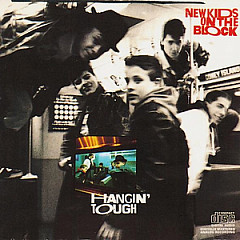
"Hangin' Tough" came at the peak of New Kids On The Block mania (1988). Their writer/producer Maurice Starr wrote it about the struggles the band faced early on. It was a #1 hit in both America and the UK.

It was never a big hit, but the uplifting "Mr. Blue Sky" has endured as Electric Light Orchestra's most popular song. Group leader Jeff Lynne wrote it when after two weeks of gloomy weather, the clouds parted to reveal a beautiful day.
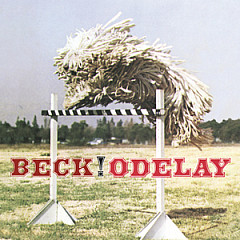
Beck's "Where It's At" is a nod to the early years of hip-hop when DJs would use two turntables to loop drum breaks, and a microphone to hype the crowd ("two turntables and a microphone...").

When Petula Clark reached #1 in the US with "Downtown" in 1965, she became the first female singer from England to hit #1 in the US during the Rock Era (after 1955).
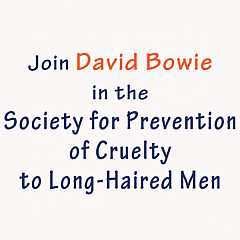
Bowie's "activist" days of 1964 led to Ziggy Stardust.

The hitmaking songwriter/producer Sam Hollander with stories about songs for Weezer, Panic! At The Disco, Train, Pentatonix, and Fitz And The Tantrums.

Songwriters have used cards and card games to make sense of heartache, togetherness, and even Gonorrhea.

Billy Joel and Hall & Oates hated making videos, so they chose a director with similar contempt for the medium. That was Jay Dubin, and he has a lot to say on the subject.
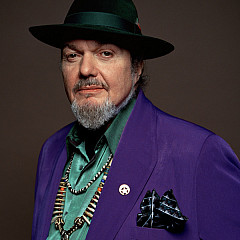
The good doctor shares some candid insights on recording with Phil Spector and The Black Keys.
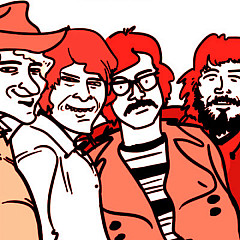
Is "Have You Ever Seen the Rain" about Vietnam? Was John Fogerty really born on a Bayou? It's the CCR edition of Fact or Fiction.