
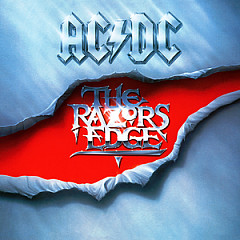
Angus Young created the distinctive opening guitar part for AC/DC's "Thuderstruck" by playing with all the strings taped up except the B. He learned the studio trick from his older brother George Young, who was the rhythm guitarist for The Easybeats.
The actor Dan Aykroyd sang on "We Are The World." LaToya Jackson did too, so we know they weren't all that picky.
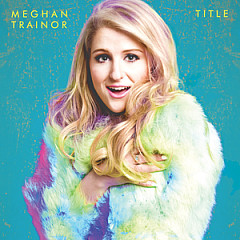
Meghan Trainor and her producer Kevin Kadish wrote "All About That Bass" for another artist to record, but after Epic Records boss LA Reid heard Meghan play a demo of the song on a ukulele, he signed her to his label and told her she should sing it.
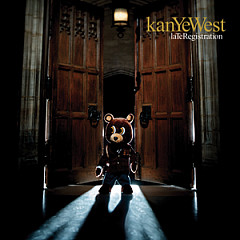
"Diamonds From Sierra Leone" by Kanye West is about the "blood diamonds" mined using child labor in Africa. It also serves as a shout-out to Roc-A-Fella records, known for a diamond-shaped hand signal.
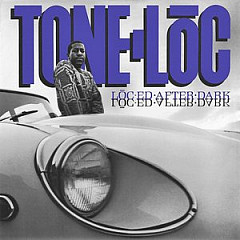
Tone-Loc's "Wild Thing" samples Eddie Van Halen's guitar riff from "Jaime's Cryin'."
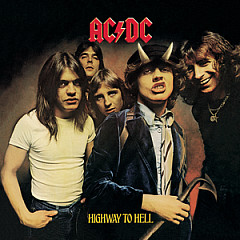
The "Highway To Hell" is the Canning Highway in Australia, which seems to go on forever, at least according to AC/DC.
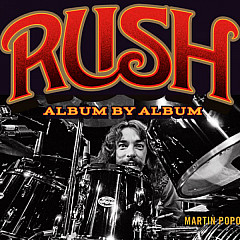
A talk with Martin Popoff about his latest book on Rush and how he assessed the thousands of albums he reviewed.
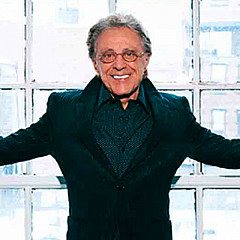
An interview with Frankie Valli, who talks about why his songs - both solo and with The Four Seasons - have endured, and reflects on his time as Rusty Millio on The Sopranos.
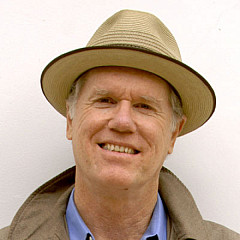
"Dead Skunk" became a stinker for Loudon when he felt pressure to make another hit - his latest songs deal with mortality, his son Rufus, and picking up poop.
We've heard of artists putting their hearts into their music, but some take it literally.
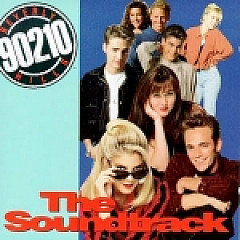
Shows like Dawson's Creek, Grey's Anatomy and Buffy the Vampire Slayer changed the way songs were heard on TV, and produced some hits in the process.
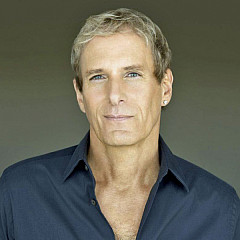
Into the vaults for this talk with Bolton from the '80s when he was a focused on writing songs for other artists.