
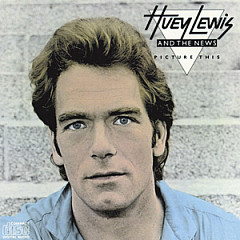
The first Huey Lewis & the News hit, "Do You Believe In Love?," is a cover of a song Mutt Lange wrote three years earlier called "We Both Believe In Love."
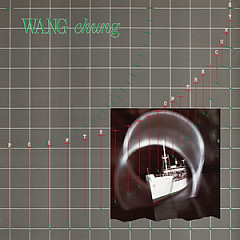
Wang Chung's '80s classic "Dance Hall Days" is about how things can start simple but end up complex. First you "take your baby by the hand," but by the end she has an amethyst in her mouth.
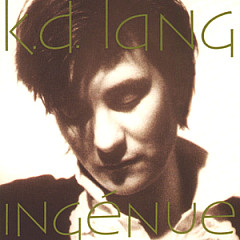
"Constant Craving" by k.d. lang deals with principles of Buddhism, including the cycles of birth and death.
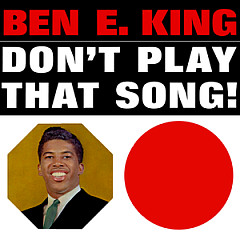
Rob Reiner named his 1986 movie "Stand By Me" after the song, since he thought The Body, a Stephen King story on which it was based, sounded like a horror movie.

Pitbull's line "I got it locked up like Lindsay Lohan" in his 2011 song "Give Me Everything (Tonight)" didn't go over well with Lohan, who sued him for defamation. Around this time, she was in a downward spiral and often getting arrested. Her case was thrown out, but she did get her life back together.
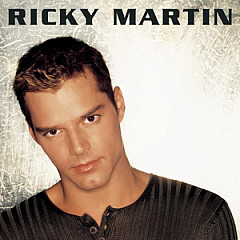
"Livin' La Vida Loca" is a Latin pop landmark, but "la vida loca" are the only Spanish words in the lyric - "mocha" is English.

A scholarly analysis of yacht rock favorites ("Steal Away," "Baker Street"...) with a member of the leading YR cover band.

Can you be married in one country but not another? Only if you're part of a gay couple. One of the first famous singers to come out as a lesbian, Janis wrote a song about it.

Nirvana, Billy Joel and Bruce Springsteen are among those who wrote songs with cities that show up in this quiz.

Elvis, Little Richard and Cheryl Cole have all sung about Teddy Bears, but there is also a terrifying Teddy song from 1932 and a touching trucker Teddy tune from 1976.
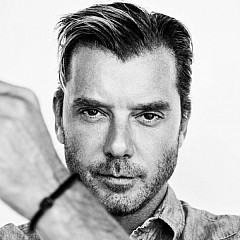
On the "schizoid element" of his lyrics, and a famous line from "Everything Zen."
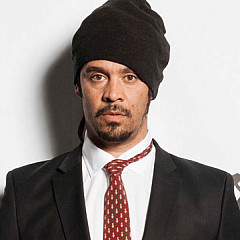
Franti tells the story behind his hit "Say Hey (I Love You)" and explains why yoga is an integral part of his lifestyle and his Soulshine tour.