
"Think As You Drunk" by Riley Green is based on a scene in the show Reno 911! where a guy gets pulled over and starts dancing (quite well) during his sobriety test. When the cop asks if he's a dancer, he says, "No, I'm just drunk." Green found it hilarious.
Over 60 famous guys, including Joe Jonas, Ezra Koenig and Wiz Khalifa, show up in the 2017 video for "Boys" by Charli XCX. She directed it herself, instructing the boys to "do all the sexy things that girls usually do in videos."

Richard Marx' debut single, "Don't Mean Nothing," features Joe Walsh on guitar. They didn't know each other beforehand; Walsh heard a demo of the song and asked to play on it.
One of the first hit songs used in a major marketing campaign was "Start Me Up" by The Rolling Stones. Microsoft paid $3 million to use it in commercials for Windows '95.
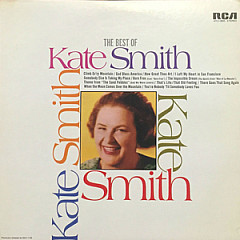
Irving Berlin, who wrote "God Bless America," said it was "not a patriotic song, but rather an expression of gratitude."
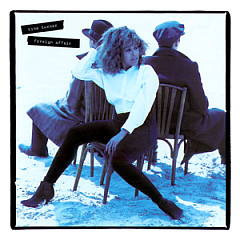
"The Best" by Tina Turner was originally recorded by Bonnie Tyler; Turner's hit version added a bridge and a saxophone solo by Edgar Winter.
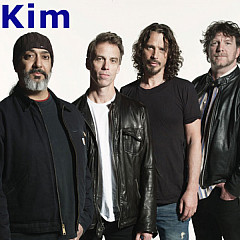
Their frontman (Chris Cornell) started out as their drummer, so Soundgarden takes a linear approach when it comes to songwriting. Kim explains how they do it.
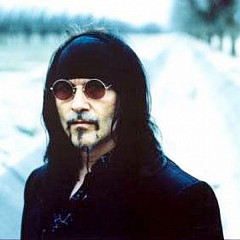
In the name of song explanation, Al talks about scoring heroin for William Burroughs, and that's not even the most shocking story in this one.
MTV, a popular TV theme song and Madonna all show up in this '80s music quiz.
Was "Pearl" Eddie Vedder's grandmother, and did she really make a hallucinogenic jam? Did Journey have a contest to name the group? And what does KISS stand for anyway?
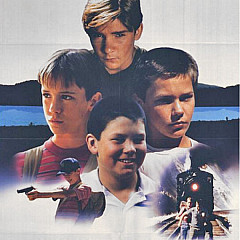
In 1986, a Stephen King novella was made into a movie, with a classic song serving as title, soundtrack and tone.
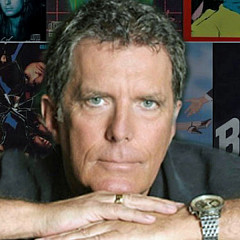
Ron Nevison explains in very clear terms the Quadrophenia concept and how Heart staged their resurgence after being dropped by their record company.