

In 2010, the biggest-selling song in the UK was "Love the Way You Lie" by Eminem.
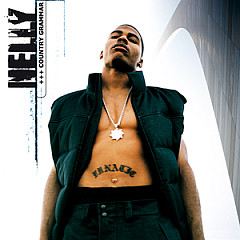
Nelly's "Country Grammar" is a celebration of his hometown of St. Louis, which some folks from the coasts consider "country" because it's in the Midwest.
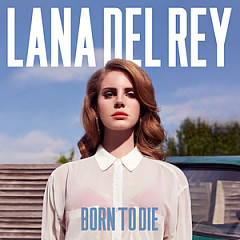
The game Lana Del Rey sings about in "Video Games" is World of Warcraft - her ex used to play it all the time.
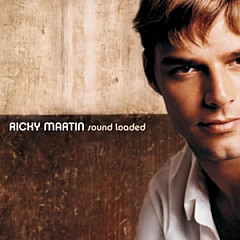
The Ricky Martin song "She Bangs" found new life when William Hung performed it so horribly on a 2004 episode of American Idol that it went viral.
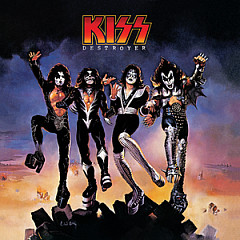
Kiss sing about "movin' fast on 95" in "Detroit Rock City," but I-95 doesn't go through Detroit (I-75 does) so they published the lyric as "Movin' fast, doin' 95."
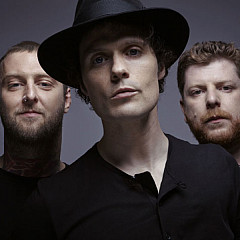
Jon Fratelli talks about the band's third album, and the five-year break leading up to it.

The original voice of Snap! this story is filled with angry drag queens, video impersonators and Chaka Khan.
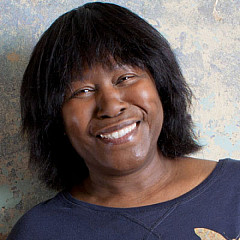
The revered singer-songwriter talks inspiration and explains why she put a mahout in "Drop the Pilot."

Holly Knight talks about some of the hit songs she wrote, including "The Warrior," "Never" and "The Best," and explains some songwriting philosophy, including how to think of a bridge.

A talented lyricist, Philip helped revive Neil Sedaka's career with the words to "Laughter In The Rain" and "Bad Blood."
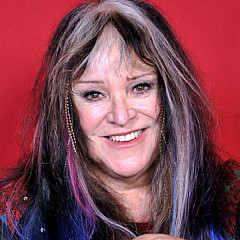
The singer-songwriter Melanie talks about her spiritual awakening at Woodstock, "Brand New Key," and why songwriting is an art, not a craft.