
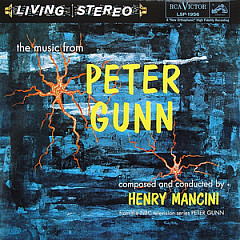
The first TV theme song to become a hit was "Peter Gunn" back in 1959. It's an instrumental composed by Henry Mancini. His version was used on an album called The Music From Peter Gunn, which stayed at #1 for 10 weeks. The song was also a hit for Duane Eddy.
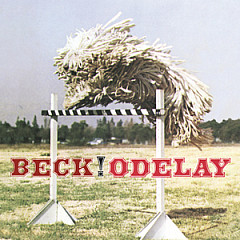
Beck's "Where It's At" is a nod to the early years of hip-hop when DJs would use two turntables to loop drum breaks, and a microphone to hype the crowd ("two turntables and a microphone...").
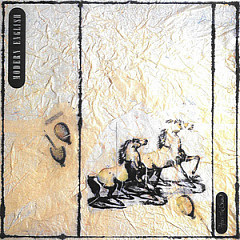
"I'll Melt With You" by Modern English is about a couple who melt together because a nuclear bomb drops.
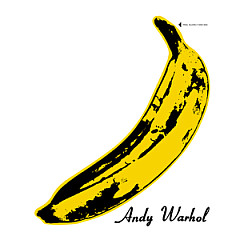
When the Velvet Underground song "Heroin" got screechy, Maureen Tucker stopped drumming, figuring it would bust the take, but her bandmates kept going. You can hear it at the 5:20 mark.
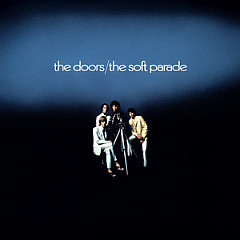
At the end of the Doors song "Touch Me," Jim Morrison chants, "Stronger than dirt!" The line is from an Ajax commercial where a white knight rides around destroying dirt.
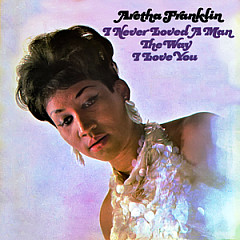
Props to Aretha Franklin: her song "Respect" introduced the term "propers" as a sign of proper respect.

An original member of Depeche Mode, Vince went on to form Erasure and Yaz.
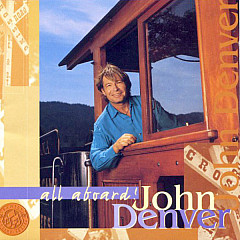
With the rise of Kindie rock, more musicians are embracing their inner child with tunes for tots - here, we look at pop stars who recorded kids' albums.
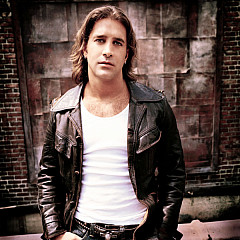
The Creed lead singer reveals the "ego and self-fulfillment" he now sees in one of the band's biggest hits.
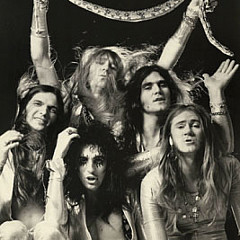
With the band in danger of being dropped from their label, Alice Cooper drummer Neal Smith co-wrote the song that started their trek from horror show curiosity to the Rock and Roll Hall of Fame.

Songwriting Hall of Famer Linda Perry talks about her songs "What's Up" and "Beautiful," her songwriting process, and her move into film music.

He wrote "She Blinded Me With Science" so he could direct a video about a home for deranged scientists.