


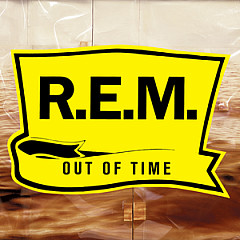
"Losing My Religion" by R.E.M. isn't about religion, but unrequited love. The title is based on a Southern expression meaning "at my wit's end."
Jessie J had a lyric from her song "Who You Are" tattooed on her hip, but she spelled "lose" incorrectly so it reads: "Don't loose who you are in the blur of the stars."
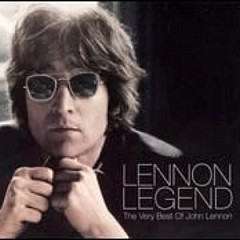
"Instant Karma" is one of John Lennon's most hopeful songs, written and recorded in one day at a time when he felt people were pulling together in a positive direction.
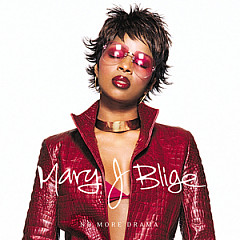
The Mary J. Blige song "No More Drama" samples the theme to the appropriately dramatic soap opera The Young And The Restless.
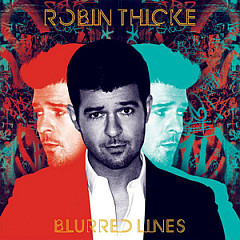
Robin Thicke had a #1 hit with "Blurred Lines" in 2013, but he wasn't the first in his family with a hit song. His mom, Gloria Loring, was a singer who had a hit in 1986 with "Friends And Lovers," a duet with Carl Anderson.
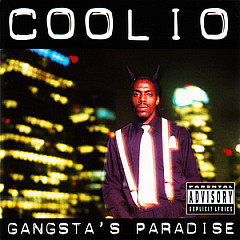
Coolio's "Gangsta's Paradise" was the #1 single in Australia for 13 weeks. It holds the record for the longest running chart topper Down Under since the first ever ARIA Chart was listed in 1983.
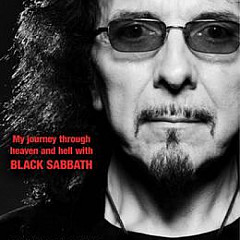
Dwarfs on stage with an oversize Stonehenge set? Dabbling in Satanism? Find out which Spinal Tap-moments were true for Black Sabbath.

John tells the "St. Elmo's Fire (Man In Motion)" story and explains why he disappeared for so long.
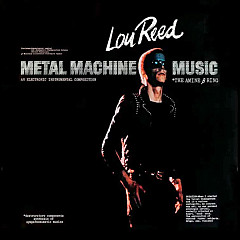
A selection of songs made to be terrible - some clearly achieved that goal.
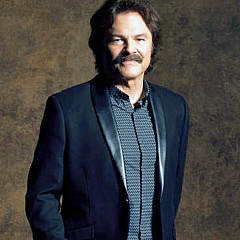
The Doobies guitarist and lead singer, Tom wrote the classics "Listen To The Music," "Long Train Runnin'" and "China Grove."
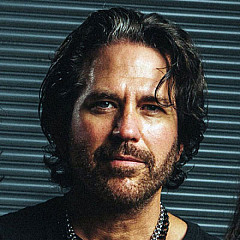
The Winger frontman reveals the Led Zeppelin song he cribbed for "Seventeen," and explains how his passion for orchestra music informs his songwriting.

Kevin Godley talks about directing classic videos for The Police, U2 and Duran Duran, and discusses song and videos he made with 10cc and Godley & Creme.