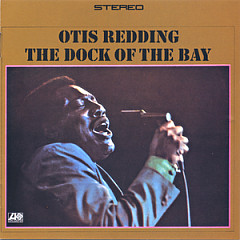
Otis Redding often ad-libbed vocals at the end of songs, but for "(Sittin' On) The Dock Of The Bay" he just whistled instead - it became some of the most famous whistling in song history.
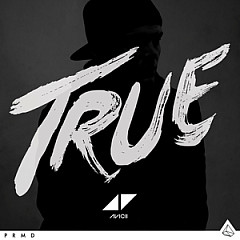
The first big hit to blend EDM with country music was "Wake Me Up" by the Swedish DJ Avicii. He put the song together with Mike Einziger of Incubus and with Aloe Blacc, who sings on it.
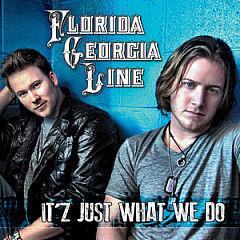
Florida Georgia Line's "Cruise" spent 24 weeks on top of the Country chart - the most ever until Sam Hunt's "Body Like a Back Road" was #1 for 34 weeks. The record was previously held by Eddy Arnold's "I'll Hold You in My Heart (1947-48), Hank Snow's "I'm Moving On" (1950-51) and Webb Pierce's "In the Jailhouse Now" (1955), which each led for 21 weeks.
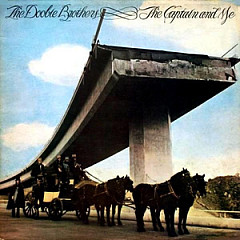
There really is a China Grove (in Texas), but Tom Johnston didn't know about it when he wrote the Doobie Brothers song.

"Anaconda" was originally recorded by Missy Elliott in 2012, but she decided to shelf the track so it went to Nicki Minaj, who released it two years later.

Tom stopped performing Thompson Twins songs in 1987, in part because of their personal nature: "Hold Me Now" came after an argument with his bandmate/girlfriend Alannah Currie.
An interview with Dr. John Covach, music professor at the University of Rochester whose free online courses have become wildly popular.

Dan cracked the Top 40 with "Ritual," then went to India and spent 2 hours with the Dalai Lama.
The stories behind the biggest hit songs about trucking.
Do you know who wrote Patti Smith's biggest hit? How about the Grease theme song? See if you can match the song to the writer.
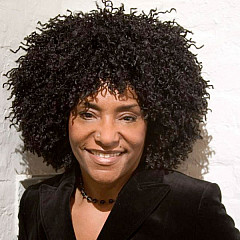
The lead singer on "Da Doo Ron Ron" and "Then He Kissed Me," La La explains how and why Phil Spector replaced The Crystals with Darlene Love on "He's A Rebel."