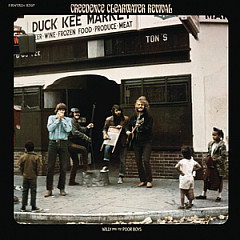
The Creedence Clearwater Revival song "Fortunate Son" is about how the Vietnam war was being fought by soldiers without the privilege or connections to get out of it. "It's the old saying about rich men making war and poor men having to fight them," John Fogerty said.
Barry Manilow didn't write his #1 hit "I Write The Songs." Bruce Johnston of The Beach Boys wrote it.
It wasn't one of her biggest hits, but "La Isla Bonita" (from 1986) emerged as one of Madonna's top songs in the age of streaming thanks to widespread usage on TikTok. Creators who visit an island or just want that mood often use it as a soundtrack.
David Gilmour really was "Learning To Fly" when he co-wrote the Pink Floyd song - the aviation jargon came from his lessons.
"What A Wonderful World," released in 1967 four years before Louis Armstrong died, didn't find an audience in America until 1988 when it was used in the movie Good Morning, Vietnam.
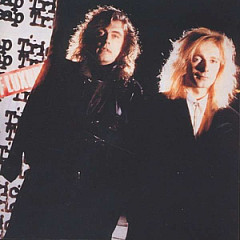
Cheap Trick hated the ballad "The Flame" but recorded it because they needed a hit, and the song delivered, going to #1.
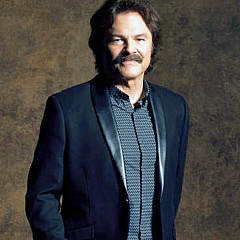
The Doobies guitarist and lead singer, Tom wrote the classics "Listen To The Music," "Long Train Runnin'" and "China Grove."
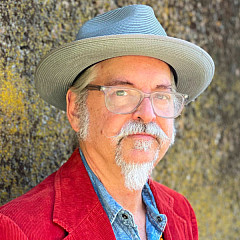
Sheryl Crow's longtime songwriting partner/guitarist Jeff Trott reveals the stories behind many of the singer's hits, and what its like to be a producer for Leighton Meester and Max Gomez.
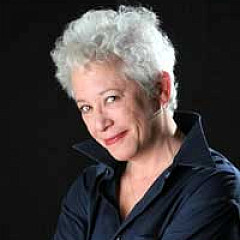
One of the first successful female singer-songwriters, Janis had her first hit in 1967 at age 15.
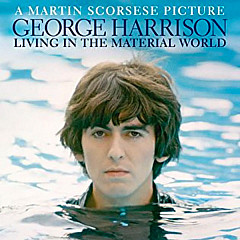
Did Eric Clapton really steal George's wife? What's the George Harrison-Monty Python connection? Set the record straight with our Fact or Fiction quiz.
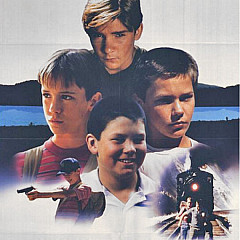
In 1986, a Stephen King novella was made into a movie, with a classic song serving as title, soundtrack and tone.