
The Doobie Brothers' swampy #1 hit "Black Water" is about the Mississippi River, evoking the rafting adventures Mark Twain and Huckleberry Finn.
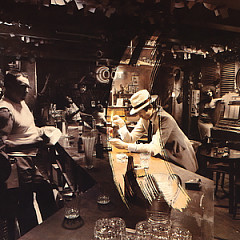
In Led Zeppelin's "Fool In The Rain," the guy goes into a funk when he thinks he's been stood up, but is elated when he realizes he's been standing on the wrong corner, and it's all a terrible mess.
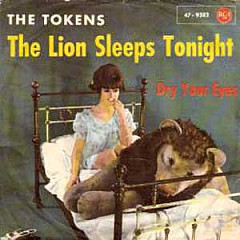
"The Lion Sleeps Tonight" is an English version of a Zulu hunting song from the 1930s.
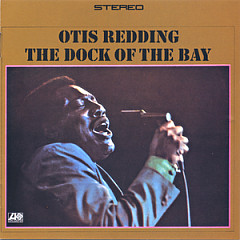
"(Sittin' On) The Dock Of The Bay," released a month after Otis Redding died, was the first song to hit #1 in America after the artist died.
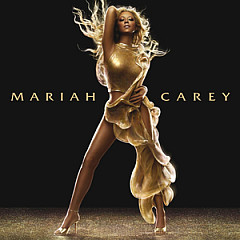
"We Belong Together" finds Mariah Carey listening to the radio and hearing songs that remind her of heartbreak. Two real songs get specific mentions: "If You Think You're Lonely Now" by Bobby Womack and "Two Occasions" by The Deele (Babyface's group).
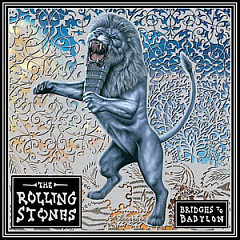
k.d. lang is a credited writer on the Rolling Stones song "Anybody Seen My Baby?" because it sounds so much like her hit "Constant Craving."

Michael tells the story of "Send Me On My Way," and explains why some of the words in the song don't have a literal meaning.

Nirvana, Billy Joel and Bruce Springsteen are among those who wrote songs with cities that show up in this quiz.
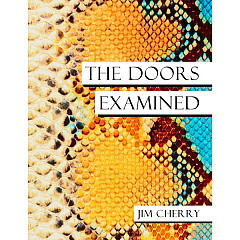
Doors expert Jim Cherry, author of The Doors Examined, talks about some of their defining songs and exposes some Jim Morrison myths.

Gramm co-wrote this gorgeous ballad and delivered an inspired vocal, but the song was the beginning of the end of his time with Foreigner.