MC5

MC5 Artistfacts

  • 1963–1972, 1974–1975, 1992, 2003–2012, 2018, 2022–2024
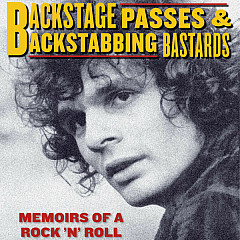
    Wayne KramerLead guitar, vocals1963–1972, 1974–1975, 1992, 2003–2012, 2018, 2022–2024
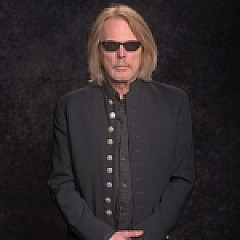
    Fred "Sonic" SmithRhythm guitar, vocal1964–1972, 1992
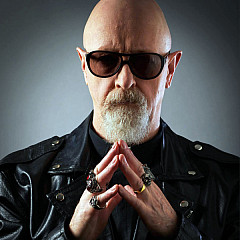
    Rob TynerVocals1964–1972
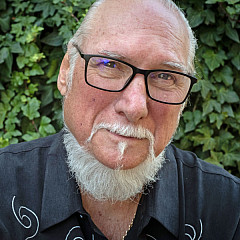
    Dennis ThompsonDrums1965–1972, 1992, 2003–2012, 2022–2024
    Michael DavisBass1965–1972, 1992, 2003–2012
  • The MC5, short for "Motor City Five," emerged from Detroit's vibrant music scene in 1965. Initially a bar band playing cover songs, they quickly developed a reputation for their high-energy performances and radical politics.
  • Their big break came in December 1965 when they opened for the Dave Clark Five at Detroit's Cobo Arena. Guitarist Wayne Kramer referred to this opportunity as their "consolation prize" after a planned support slot for the Rolling Stones fell through.
  • In 1967, the MC5 planned to release a cover of "Gloria" as their debut single, but after the Shadows of Knight had a Top 10 hit with the same song, the band opted to cover another Van Morrison track, "I Can Only Give You Everything," instead.
  • The band's association with manager John Sinclair, a prominent figure in the counterculture movement, significantly influenced their direction. Sinclair's radical politics became intertwined with the MC5's identity, leading them to perform at the 1968 Democratic National Convention in Chicago. They were the only band bold enough to play onstage during the protests, providing a soundtrack to a cultural tipping point.
  • Their DNC performance caught the attention of author Norman Mailer, who praised them in Harper's Magazine. This acclaim helped the band secure a contract with Elektra Records.
  • Their debut album, Kick Out the Jams, was recorded live at Detroit's Grande Ballroom in 1968, capturing the raw energy of their performances.

    Kick Out the Jams was raw, loud, and unapologetically political, and the band's use of profanity on the record led to controversy and backlash. Elektra Records dropped them after they publicly feuded with Hudson's, a Detroit department store that refused to carry the album.
  • Mainstream America wasn't ready for the MC5's fusion of radical politics, countercultural defiance, and loud, aggressive music. Parents and teachers saw them as a corrupting influence on young people, reinforcing their outsider status.

    "We were getting hammered from all sides," Wayne Kramer recalled to Songfacts in 2018. "We got hammered from the establishment - the police and the FBI. We also got hammered from our friends on the left - our political allies criticized us. And we got hammered from the music business establishment who thought we were way more trouble than we were worth. We got it from parents and teachers. We were constantly under attack. I know it may sound like I'm complaining, but I'm not. I'm just stating a fact: The MC5 had to endure challenges that most rock and roll bands don't have to contend with."
  • The band disbanded in 1972 but reformed in 2004 as DKT/MC5, featuring Davis, Kramer, and Thompson, along with guest musicians. A new lineup was formed in 2005 but disbanded after Michael Davis's death in 2012.
  • To celebrate the 50th anniversary of Kick Out the Jams, Wayne Kramer assembled MC50, a supergroup featuring members from Soundgarden (Kim Thayil), Fugazi (Brendan Canty), and Faith No More (Billy Gould). They toured extensively, but it was more of a tribute project than a true reunion.
  • MC5 released their first studio album in 53 years, Heavy Lifting, on October 18, 2024. The album was led by founding member Wayne Kramer and produced by Bob Ezrin. Sadly, both Wayne Kramer and drummer Dennis Thompson passed away before the album was released.
  • Over time, the MC5's legacy has been recognized for its foundational influence on punk music. In 2024, they were posthumously inducted into the Rock & Roll Hall of Fame, cementing their place in music history.

Comments

Be the first to comment...

Editor's Picks

Christopher Cross

Christopher CrossSongwriter Interviews

The man who created Yacht Rock with "Sailing" wrote one of his biggest hits while on acid.

Lou Gramm - "Waiting For A Girl Like You"

Lou Gramm - "Waiting For A Girl Like You"They're Playing My Song

Gramm co-wrote this gorgeous ballad and delivered an inspired vocal, but the song was the beginning of the end of his time with Foreigner.

Chris Rea

Chris ReaSongwriter Interviews

It took him seven years to recover from his American hit "Fool (If You Think It's Over)," but Chris Rea became one of the top singer-songwriters in his native UK.

Phil Hurtt ("I'll Be Around")

Phil Hurtt ("I'll Be Around")Songwriter Interviews

Phil was a songwriter, producer and voice behind many Philadelphia soul classics. When disco hit, he got an interesting project: The Village People.

Supertramp founder Roger Hodgson

Supertramp founder Roger HodgsonSongwriter Interviews

Roger tells the stories behind some of his biggest hits, including "Give a Little Bit," "Take the Long Way Home" and "The Logical Song."

Which Restaurants Are Most Mentioned In Song Lyrics?

Which Restaurants Are Most Mentioned In Song Lyrics?Song Writing

Katy Perry mentions McDonald's, Beyoncé calls out Red Lobster, and Supertramp shouts out Taco Bell - we found the 10 restaurants most often mentioned in songs.