

Demi Lovato recorded a Spanish version of her song "Skyscraper," but she doesn't speak Spanish. She performed it on a Latin music awards show with help from a teleprompter.
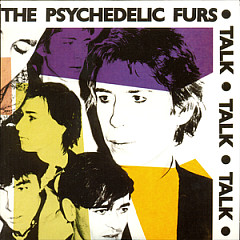
"Pretty In Pink" by Psychedelic Furs was released in 1981. Five years later, it inspired a movie of the same name starring Molly Ringwald, Andrew McCarthy and Jon Cryer. The song was remixed for the re-release to have more pop appeal.

The Simon & Garfunkel song "Mrs. Robinson" was originally called "Mrs. Roosevelt," most likely after First Lady Eleanor Roosevelt. The title was changed when it was considered for use in the film The Graduate, where Anne Bancroft's character is Mrs. Robinson.
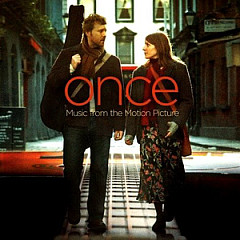
Glen Hansard and Marketa Irglova starred in the movie Once, which featured their song "Falling Slowly." Bob Dylan liked the song and movie so much he gave them an opening slot on his tour.
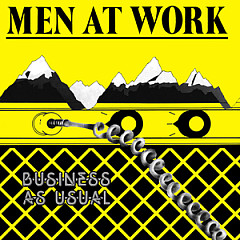
Often heard as a patriotic song celebrating their homeland of Australia, "Down Under" by Men At Work is really about the selling of that country, and it makes a strong political statement.
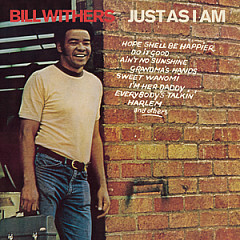
"Ain't No Sunshine" by Bill Withers was inspired by the Jack Lemmon movie Days of Wine and Roses.
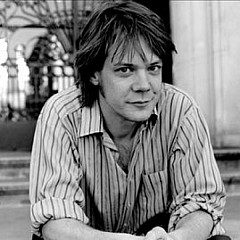
Dave explains how the video appropriated the meaning of "Runaway Train," and what he thought of getting parodied by Weird Al.

Sheryl Crow's longtime songwriting partner/guitarist Jeff Trott reveals the stories behind many of the singer's hits, and what its like to be a producer for Leighton Meester and Max Gomez.
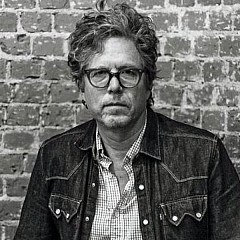
The Jayhawks' song "Big Star" has special meaning to Gary, who explains how longevity and inspiration have trumped adulation.

The top chant artist in the Western world, Krishna Das talks about how these Hindu mantras compare to Christian worship songs.
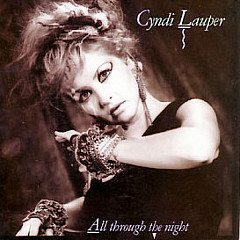
Shears does very little promotion, which has kept him secluded from the spotlight. What changed when Cyndi Lauper had a hit with his song? Not much, really.

Have you got the smarts to know which of these graduation song stories are real?