
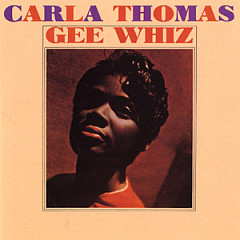
Carla Thomas became the first woman to achieve a Top 10 hit on the Hot 100 with a song she wrote herself when "Gee Whiz (Look At His Eyes)" reached #10 in 1961. Thomas was just 16 years old when she wrote it.
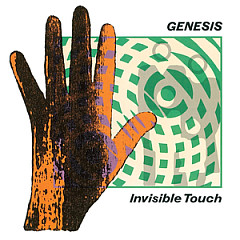
"Invisible Touch" by Genesis was the first time a band member (Phil Collins) had a #1 Hot 100 hit with a group after scoring a #1 solo hit.

"Soul Man" was a new term when the song was written in 1967. As defined by the song's co-writer, David Porter, the Soul Man doesn't have a fancy big-city slant, but has "the emotional thing happening inside of him that made people really love him."
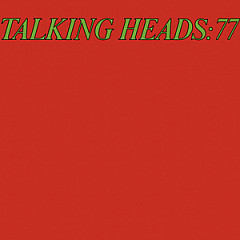
The French part in Talking Heads' "Psycho Killer" explains that the killer is going after a girl, like Norman Bates in the movie Psycho.
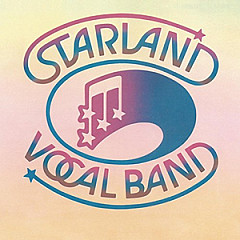
The Starland Vocal Band got the title "Afternoon Delight" from the late-afternoon appetizer menu at the restaurant Clyde's Of Georgetown in Washington, DC.
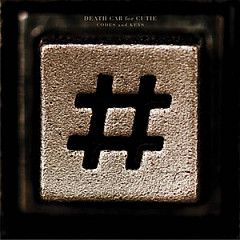
The music video for "You Are A Tourist" by Death Cab For Cutie was done live on the internet, becoming the first live, scripted, single-take music video recorded that way.
Songs about drugs, revolution and greed that have been used in commercials for sneakers, jeans, fast food, cruises and cars.
John Lennon, Paul Simon and Lynyrd Skynyrd are some of the artists who have written revenge songs. Do you know who they wrote them about?
Test your metal - Priest, Maiden, and Beavis and Butt-head show up in this one.

Eddie (played by Johnny Depp in the video) found fame fleeting, but Chuck Berry's made-up musician fared better.
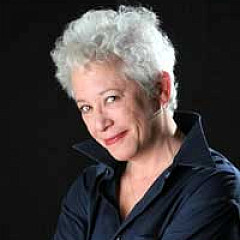
One of the first successful female singer-songwriters, Janis had her first hit in 1967 at age 15.