
Fa-Fa-Fa-Fa-Fa (Sad Song)

Album: Complete & Unbelievable (1966)
Charted: 23 29
Play Video

Songfacts®:

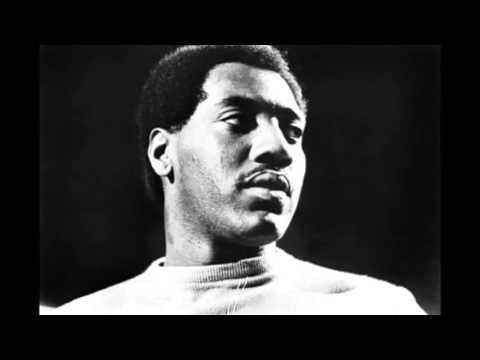
  • When Otis Redding worked up a song, he would sing out the horn arrangement by vocalizing "fa fa fa" to indicate where the horns should go and what they should play. In this song, he used those "fa"s to form the rhythm, following in the tradition of songs like "Be-Bop-a-Lula" and "Da Doo Ron Ron."

    In the chorus, the song takes listeners behind the scenes, as we hear Otis instructing his horn section, the Memphis Horns, when to play:

    Fa-fa-fa-fa-fa-fa-fa-fa-fa
    Your turn
    [horns play]
  • Redding had developed a reputation for singing sad songs like "I've Been Loving You Too Long (To Stop Now)." In 1964, he had some fun sending up this image with the song "Mr. Pitiful." In "Fa-Fa-Fa-Fa-Fa (Sad Song)" he does it again, singing, "Sad songs is all I know."

    This was far from true - Redding did lots of stompers and could sing with tremendous energy - but it was a great concept for a song about how music can move you, telling a story without any coherent words. Those sad songs can make you feel something deep inside, which is what Redding's brand of soul music was all about.
  • Redding wrote this with Steve Cropper, the guitar player for Stax Records, where Redding was signed. Cropper and Redding complemented each other very well, as Cropper could flesh out Redding's ideas and bring them to fruition. Redding wasn't very good at writing about himself, so Cropper often filled in the verses from the singer's perspective. That's what happened on this track: Cropper came up with lyrics about Redding spreading his musical message through sad songs.
  • David Porter, a producer-songwriter at Stax, sang the harmony vocals with Redding.
  • Redding claimed that he got the idea for the horn riffs from the theme to the quiz show The $64,000 Question, which went off the air in 1958.
  • Sly & the Family Stone used a very similar "fa" motif with horns in their 1970 #1 hit, "Everybody Is A Star."

Comments: 3

  • Barry from Sauquoit, NyOn December 3rd, 1966 Otis Redding performed "Fa Fa Fa Fa Fa" on the ABC-TV program 'American Bandstand'...
    Two months earlier on October 1st it entered Billboard's Hot Top 100 chart; eventually it peaked at #29 and spent 8 weeks on the Top 100...
    It reached #12 on Billboard's R&B Singles chart...
    R.I.P Mr. Redding (September 9th, 1941 - December 10th, 1967).
  • Francis from Long Island, NyFor many years I thought "That's How Strong My Love Is", was my favorite Otis song. I have changed that since Memorial Day weekend this year(2008)-when I actually heard AND paid attention to this song again!!!
    It struck me like nothing has in a long time!
    Incredible stuff-like EVERYTHING he did!!!
  • Hal from Atlanta, Gaotis redding attended allard hudson high school in macon ga. and was a pretty good football player until forced to drop out in the 11th grade to provide for the family after his minister father otis senior became ill
see more comments

Editor's Picks

Dean Pitchford

Dean PitchfordSongwriter Interviews

Dean wrote the screenplay and lyrics to all the songs in Footloose. His other hits include "Fame" and "All The Man That I Need."

Michael Franti

Michael FrantiSongwriter Interviews

Franti tells the story behind his hit "Say Hey (I Love You)" and explains why yoga is an integral part of his lifestyle and his Soulshine tour.

Jon Anderson

Jon AndersonSongwriter Interviews

Jon Anderson breaks down the Yes classic "Seen All Good People" and talks about his 1000 Hands album, which features Chick Corea, Rick Derringer, Ian Anderson, and many other luminaries.
Wherefore Art Thou Romeo Lyric

Wherefore Art Thou Romeo LyricMusic Quiz

In this quiz, spot the artist who put Romeo into a song lyric.

Steve Morse of Deep Purple

Steve Morse of Deep PurpleSongwriter Interviews

Deep Purple's guitarist since 1994, Steve talks about writing songs with the band and how he puts his own spin on "Smoke On The Water."

Grammar In Lyrics

Grammar In LyricsMusic Quiz

Lyrics don't always follow the rules of grammar. Can you spot the ones that don't?