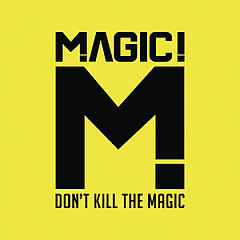
"Magic" was the first word to serve as both the title of a #1 hit (Olivia Newton-John's 1980 tune "Magic") and the name of an artist behind a chart-topping song (Magic!'s 2014 hit "Rude").
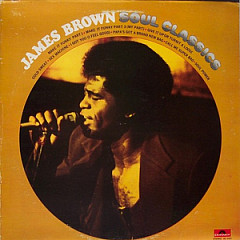
James Brown's "Get Up (I Feel Like Being a) Sex Machine" was the first Hot 100 hit with the word "sex" in the title.
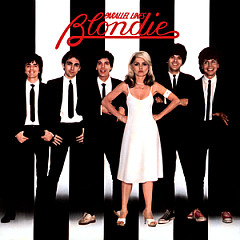
"Heart of Glass" was Blondie's first foray into disco, which turned off some fans. Debbie Harry said they did it because they "wanted to be uncool."
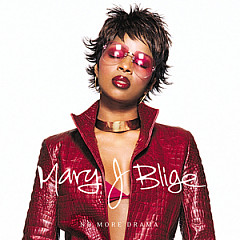
Mary J. Blige introduced three new words with her 2001 hit "Family Affair": "hateration," "holleration" and "dancerie." We define "holleration" as "The act of hollering in a belligerent fashion."
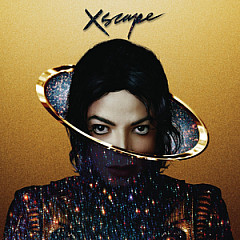
Michael Jackson became the first artist in history to score Top 10 hits in five consecutive decades on the Hot 100 when "Love Never Felt So Good" landed at #9 on the chart dated May 31, 2014.
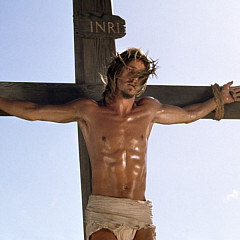
The in-depth discussion about the making of Jesus Christ Superstar with Ted Neeley, who played Jesus in the 1973 film.

The first of Billy's five #1 hits was the song that propelled Madonna to stardom. You'd think that would get you a backstage pass, wouldn't you?
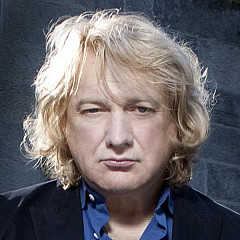
Gramm co-wrote this gorgeous ballad and delivered an inspired vocal, but the song was the beginning of the end of his time with Foreigner.
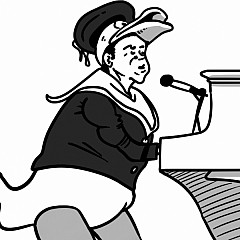
Does he have beef with Gaga? Is he Sean Lennon's godfather? See if you can tell fact from fiction in the Elton John edition.
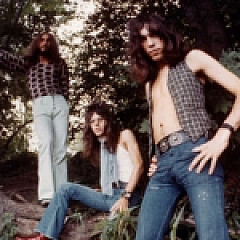
Richie talks about producing the first two Kiss albums, recording "Brother Louie," and the newfound appreciation of his rock band, Dust.