


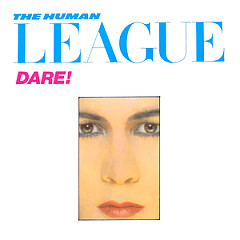
"Don't You Want Me" by The Human League was inspired by the 1976 movie A Star Is Born, which tells the story of an aging star who is upstaged by his lover/protégé. The group had just introduced two unheralded female singers into their lineup, so many assumed it was about them.
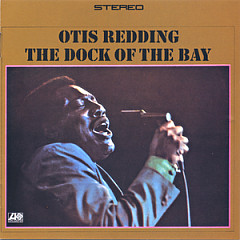
"(Sittin' On) The Dock Of The Bay," released a month after Otis Redding was killed in a plane crash, was the first song to hit #1 in America after the artist died.
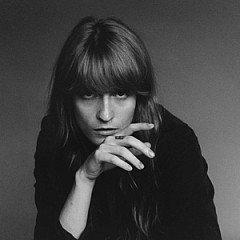
The title of Florence + the Machine's "How Big, How Blue, How Beautiful" was inspired by the Los Angeles skyline.
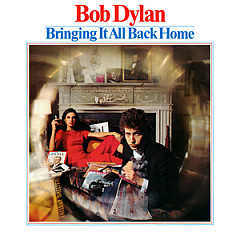
Bob Dylan's original version of "Mr. Tambourine Man," released on his album Bringing It All Back Home, has no tambourine, just guitars and harmonica.
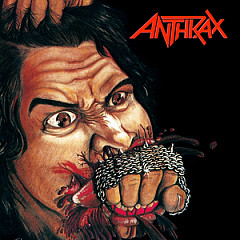
The 1984 Anthrax song "Metal Thrashing Mad" popularized the phrase "thrash metal," a faster version of heavy metal. "Thrash" dates back to 1982 though, when Metallica put the lyric "thrashing all around" in their song "Whiplash."
The 1979 song "Life During Wartime" by Talking Heads deals with how technology could be exploited to take down the framework of society and enable government surveillance.

The first of Billy's five #1 hits was the song that propelled Madonna to stardom. You'd think that would get you a backstage pass, wouldn't you?
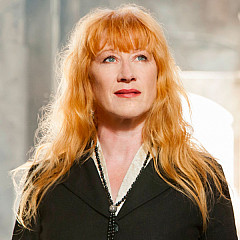
The Celtic music maker Loreena McKennitt on finding musical inspiration, the "New Age" label, and working on the movie Tinker Bell.
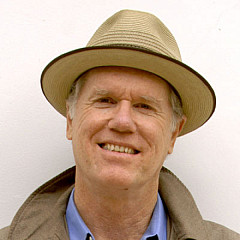
"Dead Skunk" became a stinker for Loudon when he felt pressure to make another hit - his latest songs deal with mortality, his son Rufus, and picking up poop.
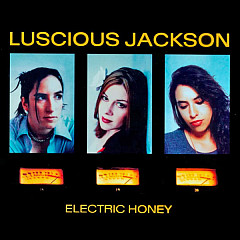
How a gym teacher, a janitor, and a junkie became part of some very famous band names.

Did they really trade their guitarist to The Doobie Brothers? Are they named after something naughty? And what's up with the band name?
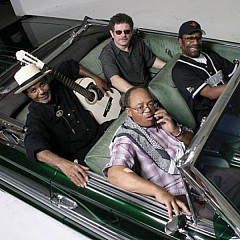
A founding member of the band War, Harold gives a first-person account of one of the most important periods in music history.