


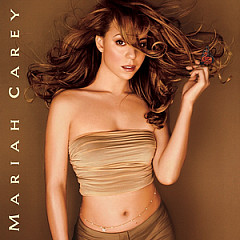
Mariah Carey's "My All" is about her affair with New York Yankees shortstop Derek Jeter.
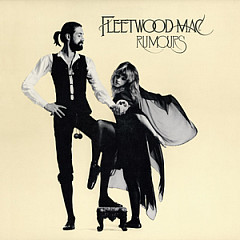
Christine McVie wrote "Songbird" for Fleetwood Mac's Rumours album in just half a hour after she woke up in the middle of the night with the song in her head.
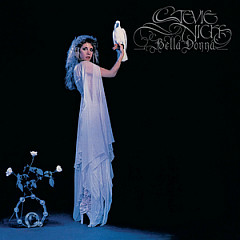
The death of John Lennon was an influence on the Stevie Nicks hit "Edge Of Seventeen." He's the one with the "words of a poet and voice from a choir."
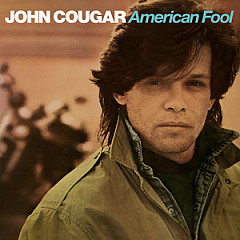
Jack & Diane started off as an interracial couple; Mellencamp took race references out of the song at the request of his record company.

"You Get What You Give" by The New Radicals was the first hit song to use the word "frenemies" in the lyric.
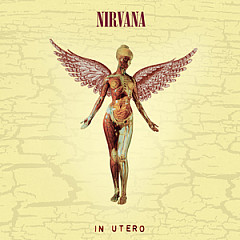
When the Christian band DC Talk covered Nirvana's "All Apologies" at concerts, they would change the line "Everyone is gay" to "Jesus is the Way."
A big list of musical marriages and family relations ranging from the simple to the truly dysfunctional.
Country songs with titles so bizarre they can't possibly be real... or can they?

The former Metallica bassist talks about his first time writing a song with James Hetfield, and how a hand-me-down iPad has changed his songwriting.

Steppenwolf frontman John Kay talks about "Magic Carpet Ride," "Born To Be Wild," and what he values more than awards and accolades.
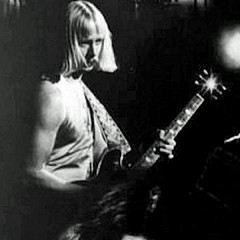
In this talk from the '80s, the Kansas frontman talks turning to God and writing "Dust In The Wind."
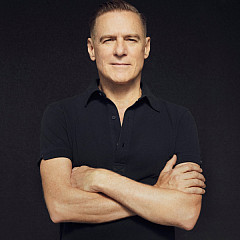
What's the deal with "Summer of '69"? Bryan explains what the song is really about, and shares more of his songwriting insights.