Clara

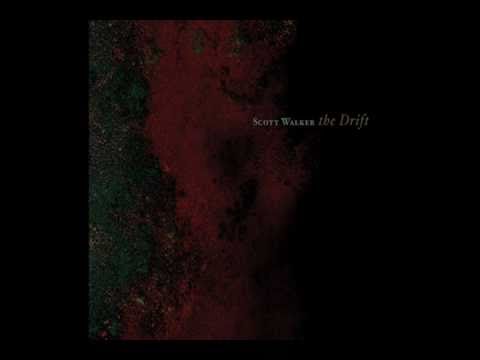
Album: The Drift (2006)
Play Video

Songfacts®:

  • "Clara," Scott Walker's 12-minute, 43-second epic, tells the grim story of Italian Fascist dictator Benito Mussolini and his 28-years-younger mistress, Clara Petacci; lovers bound in devotion, delusion, and, ultimately, death.
  • Despite being married, Mussolini had a long string of mistresses, but Clara was different: she stayed. On April 27, 1945, as the war crumbled cities around them, Italian partisans captured the pair while trying to flee to Switzerland. A day later, they were executed near Lake Como, and their bodies hung upside down in Milan's Piazzale Loreto, a final, macabre newsreel that horrified the world.

    And that's where "Clara" begins. Walker's fascination with the scene dates back to when he was a five or six-year-old boy in America, sitting in a darkened cinema and seeing those bodies for the first time. The image gave him nightmares and haunted him for decades.

    "When they went to their deaths, she could have gotten away: he had arranged for her to leave and go, he explained to Portal Cioran Brasil. "She turned into this totally devoted, different person. She went to her death with him and she could have gone. So, in a sense, it's a fascist love song, but it's strange; it's interesting."
  • "Clara" unfolds like a horror film in slow motion, with whispering strings, sudden bursts of violence, and the ghostly voice of French singer Vanessa Contenay-Quinones as Petacci.

    "He was precise as to what he wanted," she told Uncut magazine. "He wanted me to feel like a swallow, vulnerable and in pain. So I pictured myself as that broken bird. There was no backing track, I had to sing a cappella. I didn't know anything about the real Clara, but he did say the song will be an emotional epic. When I finally heard the finished thing, it did disturb me. I think Scott wanted to communicate emotions in a raw way, make the listener sometimes uncomfortable."
  • To evoke the sound of Mussolini's corpse being pummeled by the furious crowd, Walker had percussionist Alasdair Malloy punch a side of raw meat - a slab of beef or pork, depending on who's telling the story. Walker's strange request sums up his philosophy perfectly. "I don't mind calling in anything if it's in service of the lyric," he told The Quietus. "I will do anything the lyric calls for."
  • Walker recorded The Drift - his first studio album in 11 years - over 17 months, often one song at a time, whenever his hay fever and temperament allowed. The sessions at Metropolis Studios in London were precise, unpredictable, and occasionally surreal. For the orchestral parts, recorded in one intense day at George Martin's AIR Studios, there were no overdubs, no second takes. "Everyone sat up a little straighter," said cellist Philip Sheppard. "When it was done, I had goosebumps. We all did."

Comments

Be the first to comment...

Editor's Picks

Daniel Lanois

Daniel LanoisSongwriter Interviews

Daniel Lanois on his album Heavy Sun, and the inside stories of songs he produced for U2, Peter Gabriel, and Bob Dylan.

Chrissie Hynde of The Pretenders

Chrissie Hynde of The PretendersSongwriter Interviews

The rock revolutionist on songwriting, quitting smoking, and what she thinks of Rush Limbaugh using her song.

70s Music Quiz 1

70s Music Quiz 1Music Quiz

The '70s gave us Muppets, disco and Van Halen, all which show up in this groovy quiz.

Richie McDonald of Lonestar

Richie McDonald of LonestarSongwriter Interviews

Richie talks about the impact of "Amazed," and how his 4-year-old son inspired another Lonestar hit.

Chris Fehn of Slipknot

Chris Fehn of SlipknotSongwriter Interviews

A drummer for one of the most successful metal bands of the last decade, Chris talks about what it's like writing and performing with Slipknot. Metal-neck is a factor.

Andrew Farriss of INXS

Andrew Farriss of INXSSongwriter Interviews

Andrew Farriss on writing with Michael Hutchence, the stories behind "Mystify" and other INXS hits, and his country-flavored debut solo album.