
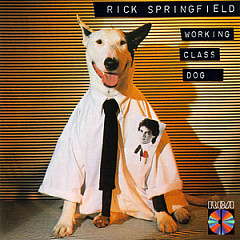
"Jessie's Girl" was the #1 song in America when MTV went on the air. They put it in hot rotation right away, making the song even more popular.
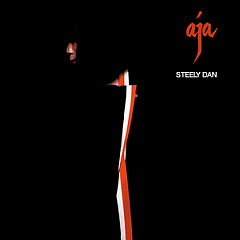
"Peg" by Steely Dan is told from the perspective of Peg's jilted ex-boyfriend as he watches her launch an acting career.
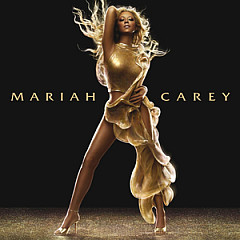
"We Belong Together" finds Mariah Carey listening to the radio and hearing songs that remind her of heartbreak. Two real songs get specific mentions: "If You Think You're Lonely Now" by Bobby Womack and "Two Occasions" by The Deele (Babyface's group).

Elton John's "Crocodile Rock" borrows a bit from Don McLean's "American Pie." Both songs feature a Chevy, and are about young people who are heartbroken when their music "dies."
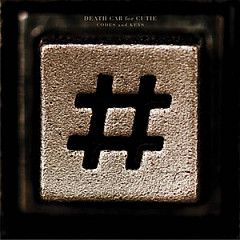
The music video for "You Are A Tourist" by Death Cab For Cutie was done live on the internet, becoming the first live, scripted, single-take music video recorded that way.

The Sam & Dave classic "Soul Man" was re-recorded by Sam Moore and Lou Reed for the 1986 movie Soul Man, about a white guy who pretends to be black so he can get a scholarship to Harvard.
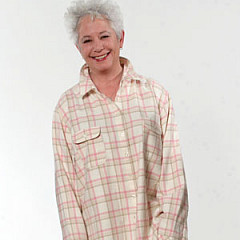
Can you be married in one country but not another? Only if you're part of a gay couple. One of the first famous singers to come out as a lesbian, Janis wrote a song about it.
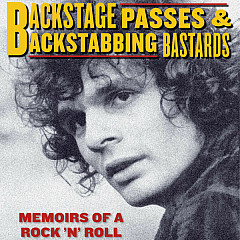
Kooper produced Lynyrd Skynyrd, played with Dylan and the Stones, and formed BS&T.

Many actors have attempted music, but only a few have managed a hit. Do you know which of these thespians charted?
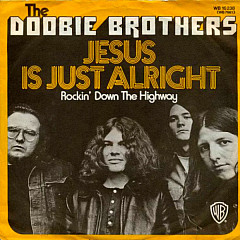
These overtly religious songs crossed over to the pop charts, despite resistance from fans, and in many cases, churches.
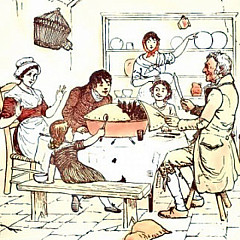
"London Bridge," "Ring Around the Rosie" and "It's Raining, It's Pouring" are just a few examples of shockingly morbid children's songs.
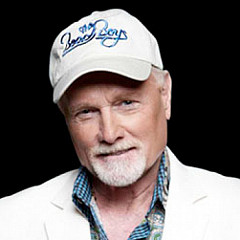
The lead singer/lyricist of The Beach Boys talks about coming up with the words for "Good Vibrations," "Fun, Fun, Fun," "Kokomo" and other classic songs.