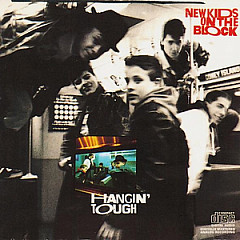
"Hangin' Tough" came at the peak of New Kids On The Block mania (1988). Their writer/producer Maurice Starr wrote it about the struggles the band faced early on. It was a #1 hit in both America and the UK.
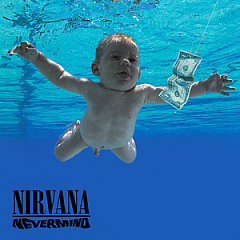
Teen Spirit was a kind of deodorant marketed to young girls. That's where Kurt Cobain got the title "Smells Like Teen Spirit."
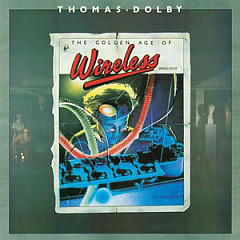
Thomas Dolby wrote "She Blinded Me With Science" so he could direct the video, which was inspired by silent films and set in a "home for deranged scientists."
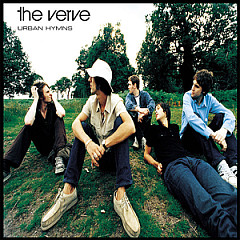
"Bittersweet Symphony" by The Verve samples an obscure orchestral arrangement of the 1965 Rolling Stones song "The Last Time." The Verve had to sign away most of the royalties before they could release the song.
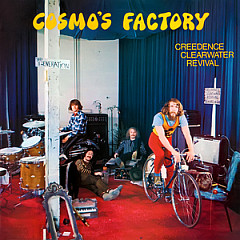
"Up Around The Bend" by Creedence Clearwater Revival had a different meaning to British listeners. In England, to go "Around the bend" means to go crazy.

"Renegade" by Styx wasn't a big hit when it was released in 1978, but it became one of their most popular songs thanks in part to the Pittsburgh Steelers, who started playing it at home games in 2001 to fire up the team and fans.

Brenda talks about the inspiration that drove her to write hit songs like "Get Here" and "Piano in the Dark," and why a lack of formal music training can be a songwriter's best asset.
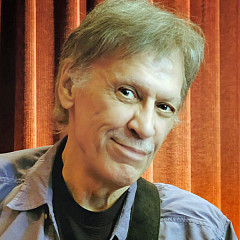
Steppenwolf frontman John Kay talks about "Magic Carpet Ride," "Born To Be Wild," and what he values more than awards and accolades.
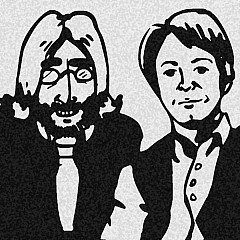
The author of Help! 100 Songwriting, Recording And Career Tips Used By The Beatles, explains how the group crafted their choruses so effectively.

The former Metallica bassist talks about his first time writing a song with James Hetfield, and how a hand-me-down iPad has changed his songwriting.
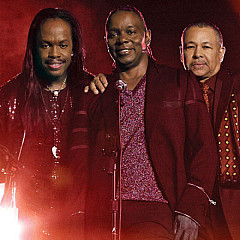
The longtime bassist of Earth, Wind & Fire discusses how his band came to do a holiday album, and offers insight into some of the greatest dance/soul tunes of all-time.