


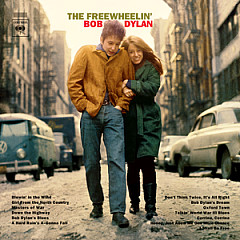
Thanks to a Newsweek article, there was a long-standing rumor that Bob Dylan stole the song "Blowin' In The Wind" from a high school student.
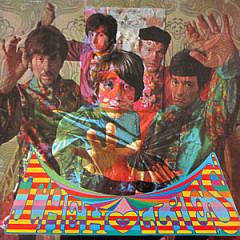
The Hollies' 1967 hit "Carrie Anne" is about the British singer-actress Marianne Faithfull, but with "Marianne" changed to "Carrie-Anne" to disguise it. Faithfull dated Allan Clarke of The Hollies.

The 1984 Anthrax song "Metal Thrashing Mad" popularized the phrase "thrash metal," a faster version of heavy metal. "Thrash" dates back to 1982 though, when Metallica put the lyric "thrashing all around" in their song "Whiplash."
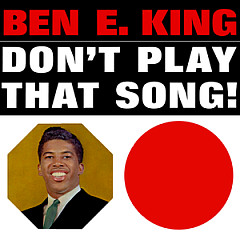
"Stand By Me" was a hit for Ben E. King when it was released in 1961, and again in 1986 after it was used in the movie of the same name.
When Tony Bennett and Amy Winehouse's version of "Body and Soul" made the Hot 100 in 2011, Bennett became, at age 85, the oldest living artist to make that chart.
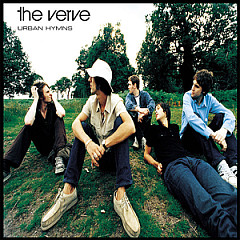
"Bittersweet Symphony" by The Verve samples an obscure orchestral arrangement of the 1965 Rolling Stones song "The Last Time." The Verve had to sign away most of the royalties before they could release the song.

Was Justin the first to be Punk'd by Ashton Kutcher? Did Britney really blame him for her meltdown? Did his bandmates think he was gay?
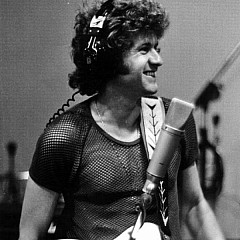
Inspired by his dear friend, "Seasons in the Sun" paid for Terry's boat, which led him away from music and into a battle with Canadian paper mills.

The drummer for Anthrax is also a key songwriter. He explains how the group puts their songs together and tells the stories behind some of their classics.
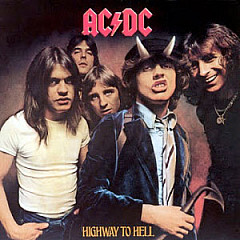
We ring the Hell's Bells to see what songs and rockers are sincere in their Satanism, and how much of it is an act.
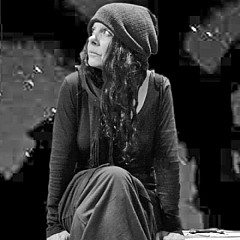
The singer/bassist for Concrete Blonde talks about how her songs come from clairvoyance, and takes us through the making of their hit "Joey."

The original voice of Snap! this story is filled with angry drag queens, video impersonators and Chaka Khan.