
Until December 5, 1998, a song had to be issued as a single to make the Hot 100. Aaliyah's "Try Again" was the first tune to top the chart based on airplay alone, without any sales figures being included.
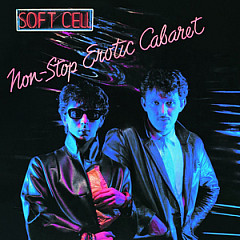
"Tainted Love" started as a 1964 soul song by Gloria Jones, became a huge hit when Soft Cell covered it in 1981, and was the basis for Rihanna's 2006 #1 "S.O.S. (Rescue Me)."

One of the moodiest hits of the '90s is "Creep" by Radiohead. It was the group's first single, and to their dismay, it became their biggest hit - it wasn't the song they wanted to be known for.

The first big hit by an X Factor winner was "Bleeding Love" by Leona Lewis, who won the British version of the show in 2008. The song was intended for Jesse McCartney, who wrote it with Ryan Tedder.

When Rihanna's "Umbrella" was a hit in the summer of 2007, it rained constantly in London, prompting their newspaper The Sun to suggest a "Rihanna Curse."
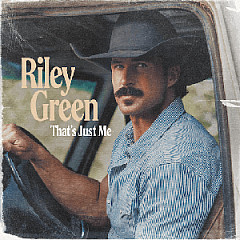
"Think As You Drunk" by Riley Green is based on a scene in the show Reno 911! where a guy gets pulled over and starts dancing (quite well) during his sobriety test. When the cop asks if he's a dancer, he says, "No, I'm just drunk." Green found it hilarious.
A Soul Train dancer takes us through a day on the show, and explains what you had to do to get camera time.
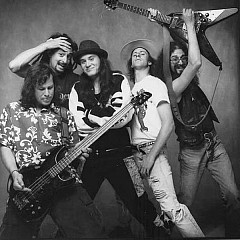
Faith No More's bassist, Billy Gould, chats to us about his two new experimental projects, The Talking Book and House of Hayduk, and also shares some stories from the FNM days.
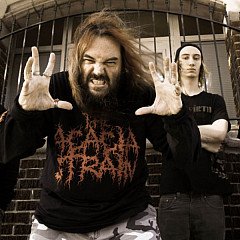
The Brazilian rocker sees pictures in his riffs. When he came up with one of his gnarliest songs, there was a riot going on.
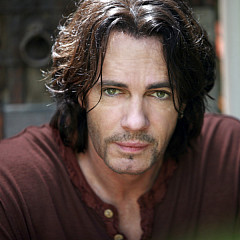
Rick has a surprising dark side, a strong feminine side and, in a certain TV show, a naked backside. But he still hasn't found Jessie's Girl.
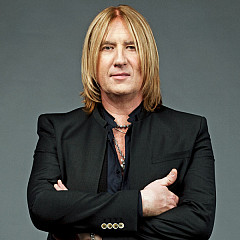
The Def Leppard frontman talks about their "lamentable" hit he never thought of as a single, and why he's juiced by his Mott The Hoople cover band.
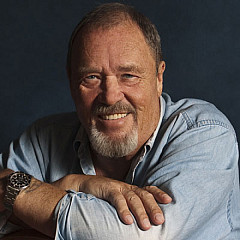
The longtime BS&T frontman tells the "Spinning Wheel" story, including the line he got from Joni Mitchell.