SOS

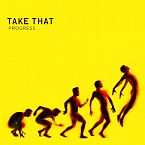
Album: Progress (2010)
Play Video

Songfacts®:

  • This disco-influenced rocker features Mark Owen singing in a sharp falsetto above booming drums and punky guitars. Its apocalyptic lyrics were inspired by Robbie Williams' interest in conspiracy theories.
  • The song ends with a 1961 speech about press freedom by John F. Kennedy.
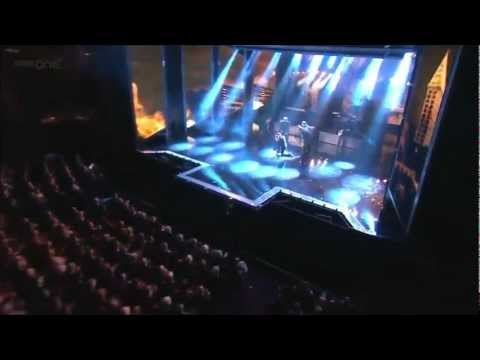
  • Take That debuted the song live for the first time during their performance at the 2010 Royal Variety performance on December 9, 2010 but the show wasn't transmitted on television until December 16th.
  • "SOS" is the Morse-code signal (…---…) used by shipping and the like in distress to summon immediate aid, hence any urgent appeal for help. This distress signal was first adopted by the German government in radio regulations effective April 1, 1905. It was recommended at the Radio Telegraph Conference the following year and officially adopted as the worldwide standard in 1908. The letters are simply a convenient and readily recognizable combination, and are not an abbreviation, although they have subsequently been held to stand for "save our souls" or "save our ship."

    The phrase "SOS" has frequently been adopted as a metaphor in songs describing love in distress. Apart from Take That's song other tunes using the signal in its title include hit singles by Abba, Jonas Brothers, Jordin Sparks and Rihanna.
  • While writing the lyrics, Williams tried to capture the panic of a world gone mad. "For me it was an amalgamation of internet conspiracy chat rooms," he explained. "Is there a global warming or isn't there a global warming? And, is there gonna be a 2012 cause it feels like everything's speeding to Armageddon, what are these terrorists? Why do terrorists want us? Are we safe getting on the tube? Is the tube somewhere we can go? Or at the airport we have to take our shoes off and it's the shoes and then do we… we're untrusting of everybody and the panic's sort of tenfold and getting quicker and quicker."
  • The chorus came together naturally as the band was playing around with the lyrics. Owen recalled: "When we got to the chorus I remember it was just everybody went the same way with the same melody. It was like each way everything came to everyone. After the first 'It's an SOS' everybody went 'It's an SOS. It's an SOS. Oh yes, oh yes' it was like it was just written, done. First time it came out of our mouth there was a chorus."

Comments: 1

  • Ariel Tzentner from Tel Aviv, IsraelAnother cool fact about the song - in the beginning of the song before the vocals come in, the background melody imitates an SOS call, with 3 short beeps, then 3 long ones and 3 short ones again (can be observed between 0:12-0:26)
see more comments

Editor's Picks

Howard Jones

Howard JonesSongwriter Interviews

Howard explains his positive songwriting method and how uplifting songs can carry a deeper message.

Susanna Hoffs - "Eternal Flame"

Susanna Hoffs - "Eternal Flame"They're Playing My Song

The Prince-penned "Manic Monday" was the first song The Bangles heard coming from a car radio, but "Eternal Flame" is closest to Susanna's heart, perhaps because she sang it in "various states of undress."

Brandi Carlile

Brandi CarlileSongwriter Interviews

As a 5-year-old, Brandi was writing lyrics to instrumental versions lullabies. She still puts her heart into her songs, including the one Elton John sings on.

Meshell Ndegeocello

Meshell NdegeocelloSongwriter Interviews

Meshell Ndegeocello talks about recording "Wild Night" with John Mellencamp, and explains why she shied away from the spotlight.

Dave Alvin - "4th Of July"

Dave Alvin - "4th Of July"They're Playing My Song

When Dave recorded the first version of the song with his group the Blasters, producer Nick Lowe gave him some life-changing advice.

Bass Player Scott Edwards

Bass Player Scott EdwardsSong Writing

Scott was Stevie Wonder's bass player before becoming a top session player. Hits he played on include "I Will Survive," "Being With You" and "Sara Smile."