Tears for Fears

Tears for Fears Artistfacts

  • 1981-
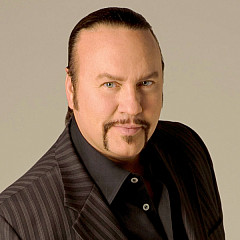
    Roland OrzabalVocals, guitar, keyboards1981-
    Curt SmithVocals, bass guitar, keyboards1981-1991, 2000-
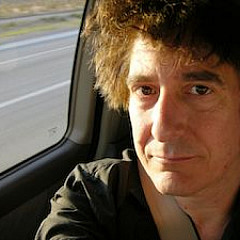
    Manny EliasDrums1981-1986
    Ian StanleyKeyboards1981-1987
  • Tears For Fears is primarily a duo made up of co-lead vocalists Roland Orzabal and Curt Smith. Although Smith has a handful of songwriting credits in the group's repertoire, Orzabal is the primary lyricist.
  • The English synthpop duo met as teenagers in Bath, where they joined the new wave act Graduate. In 1981, they formed their own group, History of Headaches, which quickly became Tears for Fears.
  • Much of their early music was inspired by the work of American psychotherapist Arthur Janov, founder of primal scream therapy, which focuses on bringing repressed childhood memories to the surface and dealing with the trauma through intense crying and screaming. Both Orzabal and Smith had difficult upbringings and were attracted Janov's ideas. Janov gained notoriety when he took on John Lennon as a patient in 1970.
  • Smith came up with the band name when he read about using "tears as a replacement for fears" in Janov's 1980 book, Prisoners Of Pain.
  • Their debut album, The Hurting (1983), featured their breakthrough single in the UK, the melancholic "Mad World." Their follow-up album, Songs From The Big Chair (1985), brought them worldwide fame, with the singles "Shout" and "Everybody Wants To Rule The World" hitting #1 in the US.
  • Smith left the group shortly after the release of their third album, the blues and jazz-influenced The Seeds Of Love. It was a lengthy production that saw the duo scrapping an album's worth of material and starting over, visiting several different studios, and taking months upon months to edit the tracks. Although the album landed in the top 10 on charts around the world, it pushed the group to its breaking point. Smith moved on to a solo career in New York City, while Orzabal soldiered on as Tears For Fears.
  • Smith and Orzabal patched things up in 2000 and began work on the reunion album, aptly titled Everybody Loves A Happy Ending (2004).
  • Orzabal wrote the comedic novel Sex, Drugs & Opera, published in 2014, about an aging pop star who goes on a reality show in an attempt to revive his career.
  • Smith made a few appearances on the long-running detective comedy Psych (2006-2014); the show's protagonist, Shawn Spencer, is an avid Tears For Fears fan.
  • The duo credits Ian Stanley for getting them into technology. Before they met him, they were writing everything on acoustic guitar, and Stanley - who worked with members of their old group, Graduate - offered to let them use his home studio with all the bells and whistles, including a synthesizer and a drum machine.
  • Manny Elias joined Tears for Fears after the dissolution of his previous band, Interview. He drummed on the Tears for Fears' first two albums and co-wrote the tunes "The Way You Are" and "The Working Hour."

Comments

Be the first to comment...

Editor's Picks

Songs Discussed in Movies

Songs Discussed in MoviesSong Writing

Bridesmaids, Reservoir Dogs, Willy Wonka - just a few of the flicks where characters discuss specific songs, sometimes as a prelude to murder.

Mick Jones of Foreigner

Mick Jones of ForeignerSongwriter Interviews

Foreigner's songwriter/guitarist tells the stories behind the songs "Juke Box Hero," "I Want To Know What Love Is," and many more.

Mark Arm of Mudhoney

Mark Arm of MudhoneySongwriter Interviews

When he was asked to write a song for the Singles soundtrack, Mark thought the Seattle grunge scene was already overblown, so that's what he wrote about.

Stand By Me: The Perfect Song-Movie Combination

Stand By Me: The Perfect Song-Movie CombinationSong Writing

In 1986, a Stephen King novella was made into a movie, with a classic song serving as title, soundtrack and tone.

Victoria Williams

Victoria WilliamsSongwriter Interviews

Despite appearances on Carson, Leno and a Pennebaker film, Williams remains a hidden treasure.

Adam Duritz of Counting Crows

Adam Duritz of Counting CrowsSongwriter Interviews

"Mr. Jones" took on new meaning when the song about a misguided view of fame made Adam famous.