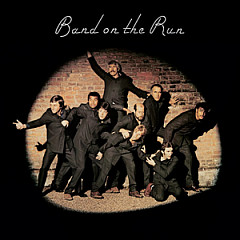
The Australian band Jet took their name from the 1973 song of the same by Paul McCartney and Wings.
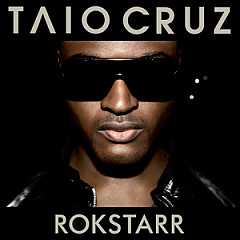
Taio Cruz throws his hands up "sometimes" in "Dynamite" because the song was originally written about surrender.
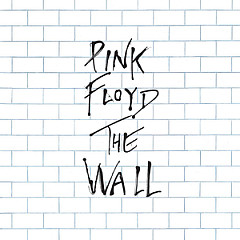
Producer Bob Ezrin convinced Pink Floyd to put a disco beat and children's chorus on "Another Brick In The Wall (Part 2)," which started out as a short interstitial for their album The Wall.
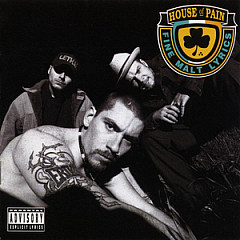
The horn flourish at the beginning of "Jump Around" comes from Bob and Earl's "Harlem Shuffle"; the squeal throughout the song might be a Prince sample.
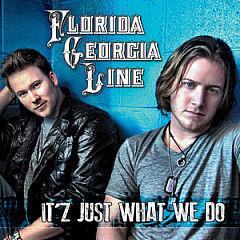
Florida Georgia Line's "Cruise" was the first country single to earn Diamond certification (10 million units sold) from the RIAA.
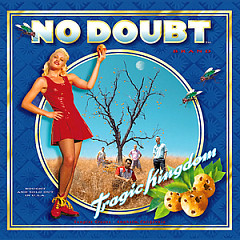
No Doubt's hit "Don't Speak" is about Gwen Stefani's breakup with the band's bass player, Tony Kanal, after seven years together.
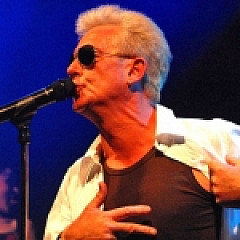
Yngwie Malmsteen and Steve Vai were two of Graham's co-writers for some '80s rock classics.
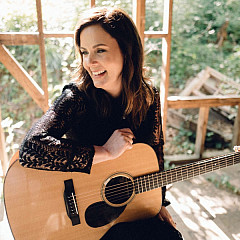
Lori's songs have been recorded by Faith Hill and Sara Evans. She's performed on the CMAs and on Oprah. She also has five kids.
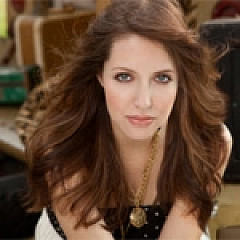
The 2011 Artist of the Year at the Dove Awards isn't your typical gospel diva, and she thinks that's a good thing.
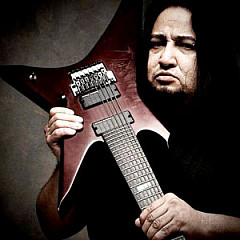
The guitarist/songwriter explains how he came up with his signature sound, and deconstructs some classic Fear Factory songs.
The '70s gave us Muppets, disco and Van Halen, all which show up in this groovy quiz.