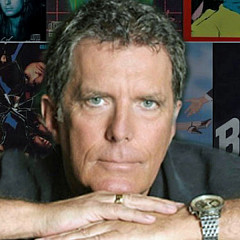
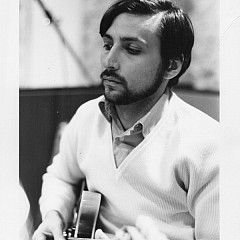
"Jail Guitar Doors" started life as a song written by singer Joe Strummer for his previous band, the 101ers, either as presently titled or given the different title "Lonely Mother's Son" - reports vary. Strummer brought the song with him to The Clash, but wasn't comfortable with playing it in his new band as he wanted a totally clean cut from the past. It was only in late 1977 that guitarist Mick Jones revisited the song and rewrote the lyrics, eventually having the band re-record it at CBS Studios in September of that year. Roadie Johnny Green remembers the session, and stated that "that funny noise at the beginning is the hi-hat, which was bent. We amplified it right up and everyone loved it."
Musically, the song takes cues from the New York Dolls' back catalogue, as well as David Bowie's "
Rebel Rebel." The closing refrain is a direct lift of Toots and the Maytals' "54-46 That's My Number."
The three verses tell the story of one guitarist who gets in trouble for drug possession, which ties together with the sadness and regret of the chorus; seeing people you look up to throw their lives away in such fashion ("Clang clang, go the jail guitar doors, bang bang, go the boots on the floor").
The first verse mentions a character called Wayne ("Let me tell you 'bout Wayne and his deals of cocaine, a little more every day"), which is a reference to the MC5's Wayne Kramer. After the demise of his band The MC5, Kramer sold drugs on the streets of Detroit. In 1975, we was arrested when he tried to sell cocaine to undercover agents.
The second verse discusses the fate of a Peter ("An' I'll tell you 'bout Pete, didn't want no fame, gave all his money away"), which is more than likely Fleetwood Mac's Peter Green, who became mentally unstable after taking LSD, ended up in mental hospitals, and gave away his money and guitars.
The final verse is about a Keith ("And then there's Keith, waiting for trial, twenty-five thousand bail") which is very clearly The Rolling Stones' Keith Richards, who in February 1977 was arrested for heroin possession in Toronto.
All three men were guitar heroes of Mick Jones growing up, so it would make sense that the "what a shame" feel of the lyrics would relate to Jones' own feelings upon seeing his childhood heroes locked up. After his own drug bust in July 1978, Jones would add a fourth verse into live performances discussing his hope that he doesn't end up meeting the same fate as his heroes.
The first live performance of the song came in Zurich in October 1977, a month after it was recorded, and it remained a solid feature of The Clash's live set for the next 18 months (including with Jones' self-inflicted extra verse after July 1978). It was first released as the B-side to the "
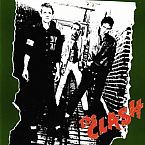
Clash City Rockers" single in 1978, and a year later appeared on the US version of The Clash's self-titled first album. It would eventually get a UK release on
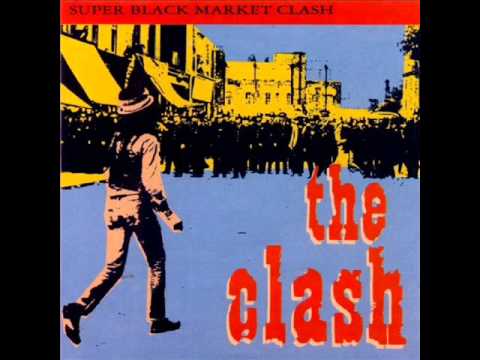
Super Black Market Clash, and in the enormous
Singles Box compilation in 2006.
A number of artists have covered this song, including the rockabilly band The Caravans in 2003, and Guns N' Roses guitarist
Gilby Clarke for his first solo album
Pawnshop Guitars in 1994. This version featured other members of Guns N' Roses, as well as Pixies vocalist Frank Black and freelance guitarist Ryan Roxie.
The popular folk musician Billy Bragg used the title "Jail Guitar Doors" as the name for his independent initiative with the aim of providing musical equipment and funding recording projects in prisons and for ex-inmates to help use music as a way of rehabilitating prisoners and ex-convicts. A US version of the Jail Guitar Doors initiative was set up by Wayne Kramer (apropos considering his name-check in the original song) with much the same aim: to use music and performing to help rehabilitate prisoners and cut down on prison violence.
In a 2018 Songfacts interview with Wayne Kramer, he talked about his first interaction with The Clash. Said Kramer: "When I got back from prison, just after I got home, The Clash came to Detroit. I went over to meet them, because one of my friends told me that they had written a song about me. So, I went backstage and said hello to Mick Jones and Joe Strummer, and they gave me a copy of a single, and they had written, 'To Wayne Kramer, #1 in the USA.' I was very proud of that.
I didn't know these guys - they were just brothers from across the sea who displayed some solidarity with a fellow musician and wrote about his bad behavior in a song. And it was ironic that it turns out all these years later that's what we call our independent initiative that works in America's prisons."
In 2007, Billy Bragg started an organization called
Jail Guitar Doors, which he named after this song. The mission: supply musical gear (especially guitars) to prisons to help rehabilitate inmates. It started in the UK, but two years later Wayne Kramer joined the effort and expanded it to America.