
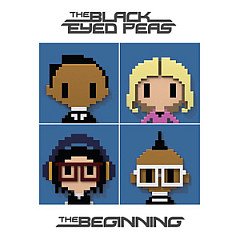
The Black Eyed Peas shot the video for "Just Can't Get Enough" in Japan just a week before a devastating earthquake hit the country.
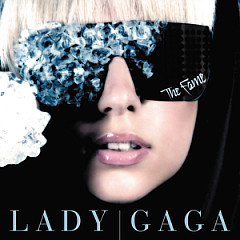
Lady Gaga says that "Poker Face" is about her personal experience with bisexuality; being with a man but thinking about a woman.
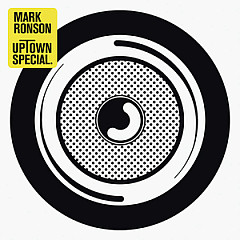
The biggest hit of 2015 was "Uptown Funk," a collaboration between Bruno Mars and guitarist/producer Mark Ronson. Ronson says making it took "six or seven months of chasing Bruno around on tour."
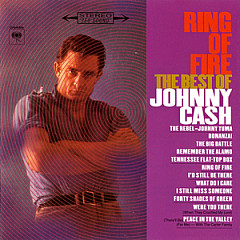
Johnny Cash's wife, June Carter, wrote "Ring Of Fire" about their relationship.
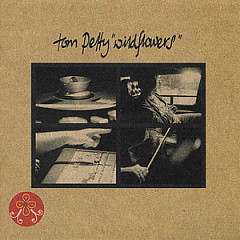
Tom Petty was a big star on MTV, but he ran afoul of their policies with the line "let's roll another joint" in "You Don't Known How It Feels." The network ended up reversing the word "joint" so it was unintelligible, then giving the video a VMA for Best Male Video.
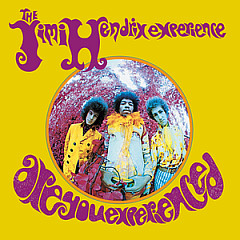
Jimi Hendrix wrote "The Wind Cries Mary" not about marijuana, but about his girlfriend at the time, Kathy Mary Etchingham.
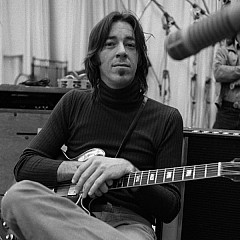
The "Lowdown" and "Lido Shuffle" singer makes a habit of playing with the best in the business.
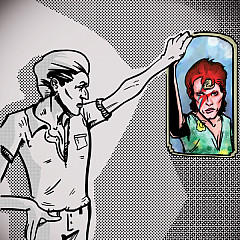
Long before Eminem, Justin Bieber and Nicki Minaj created alternate personas, David Bowie, Bono, Joni Mitchell and even Hank Williams took on characters.
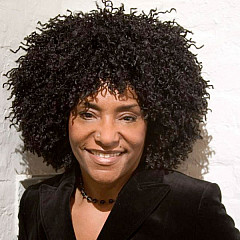
The lead singer on "Da Doo Ron Ron" and "Then He Kissed Me," La La explains how and why Phil Spector replaced The Crystals with Darlene Love on "He's A Rebel."
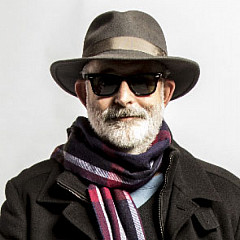
When a waitress wouldn't take him home, Jack wrote what would become one of the Eagles most enduring hits.
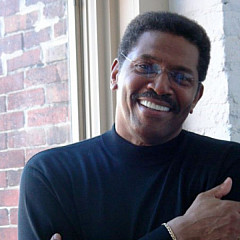
Phil was a songwriter, producer and voice behind many Philadelphia soul classics. When disco hit, he got an interesting project: The Village People.
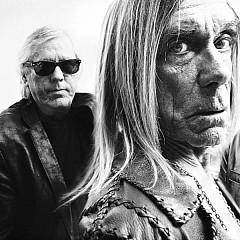
The Stooges guitarist (and producer of the Kill City album) talks about those early recordings and what really happened with David Bowie.